



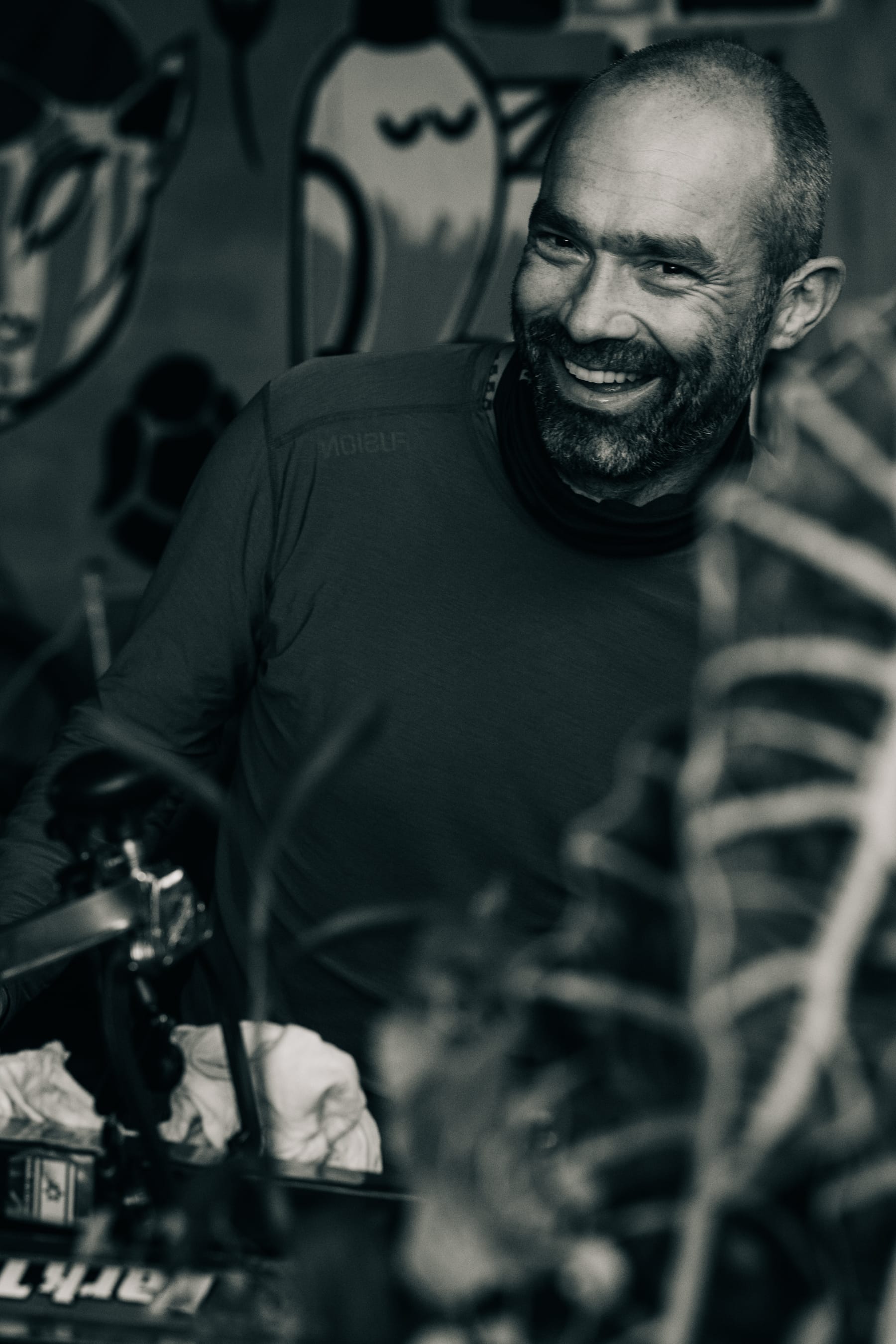
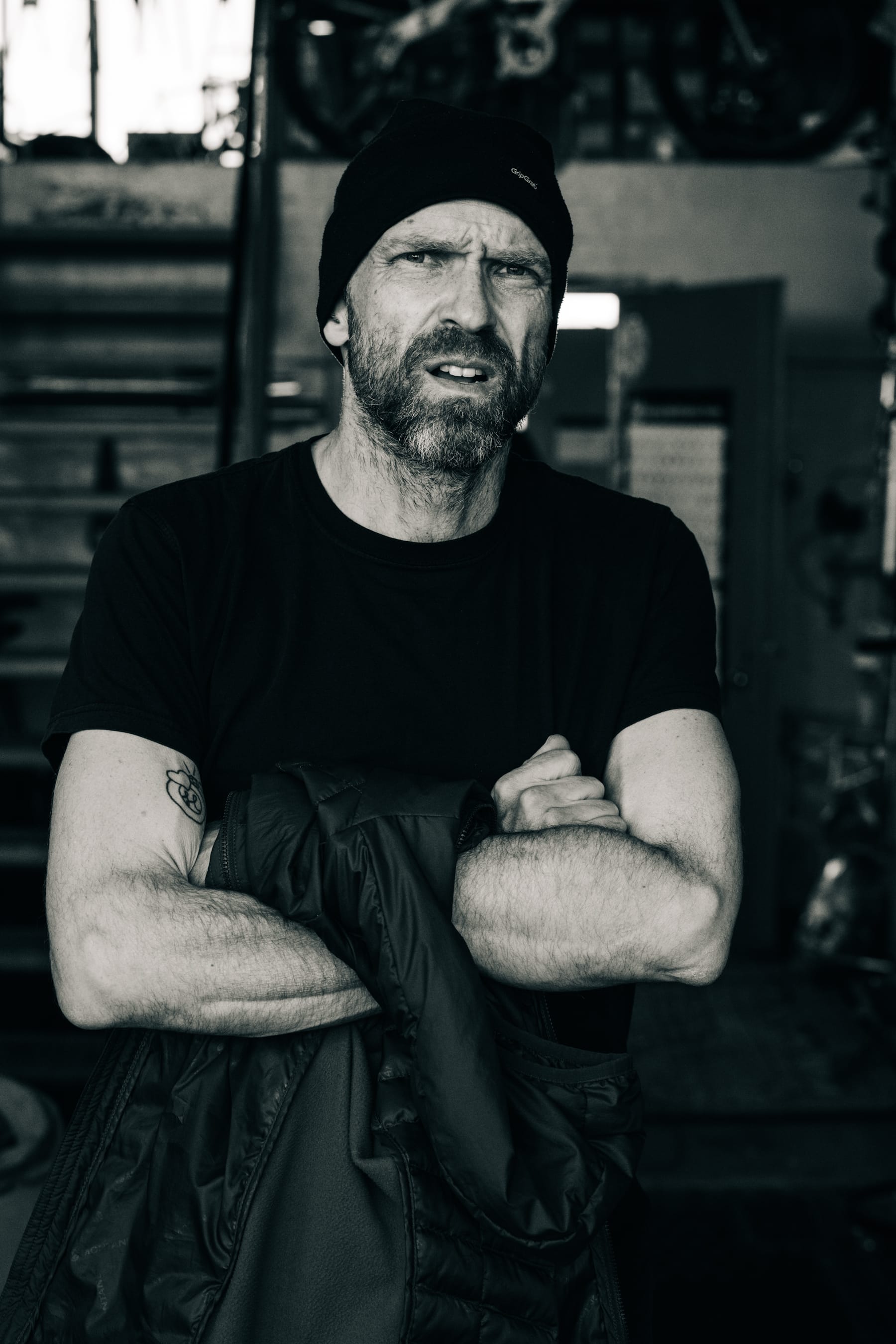
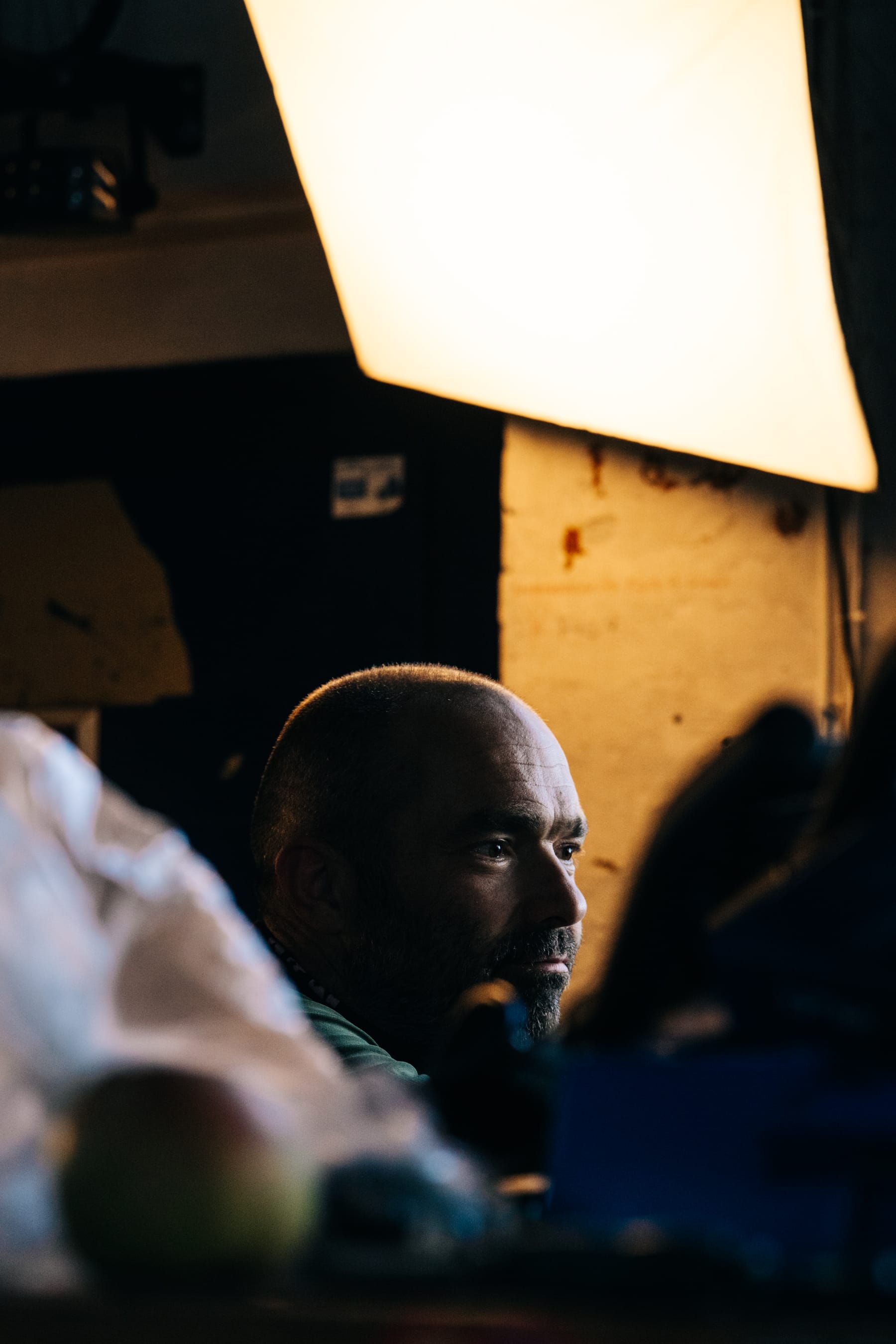


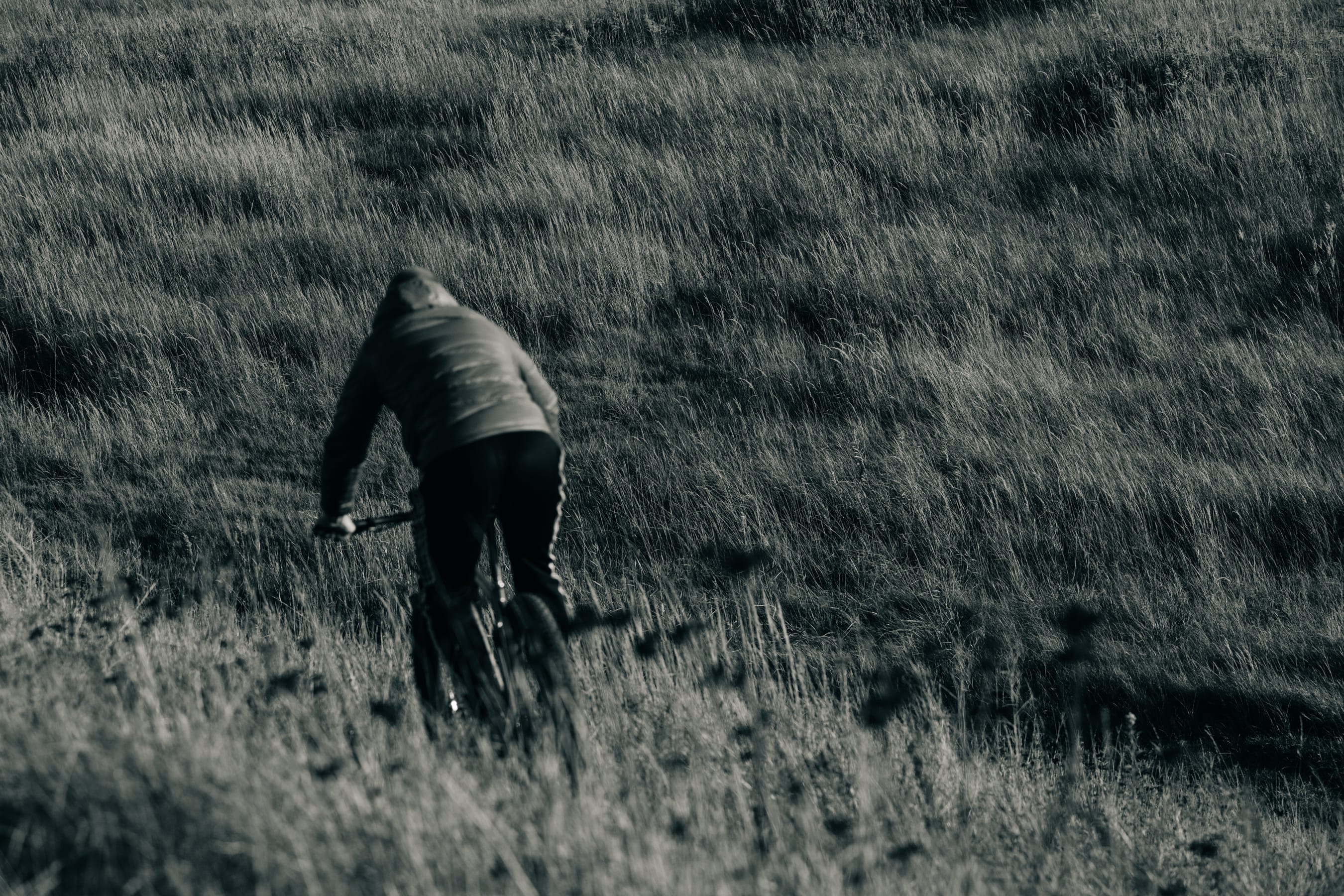
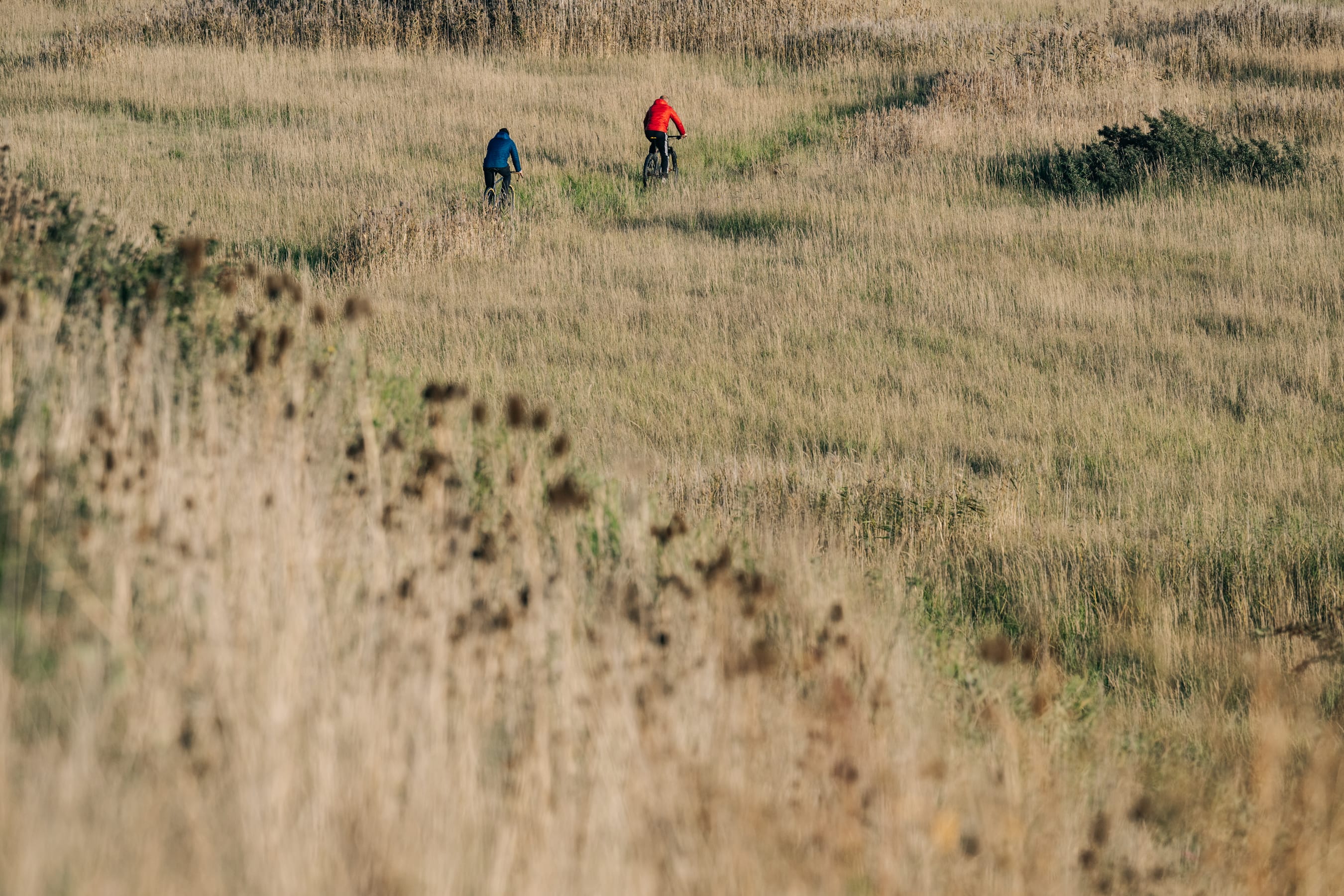
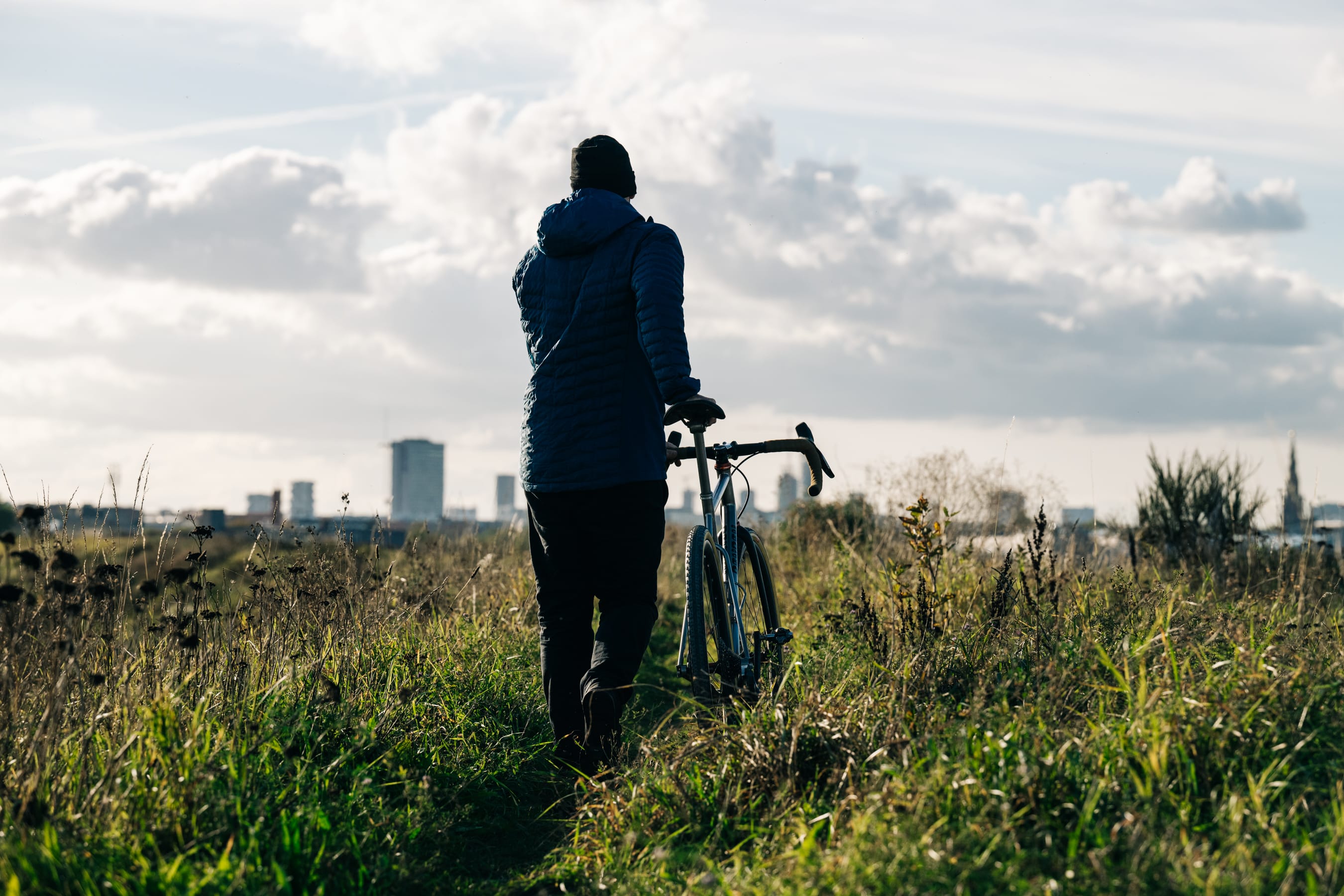
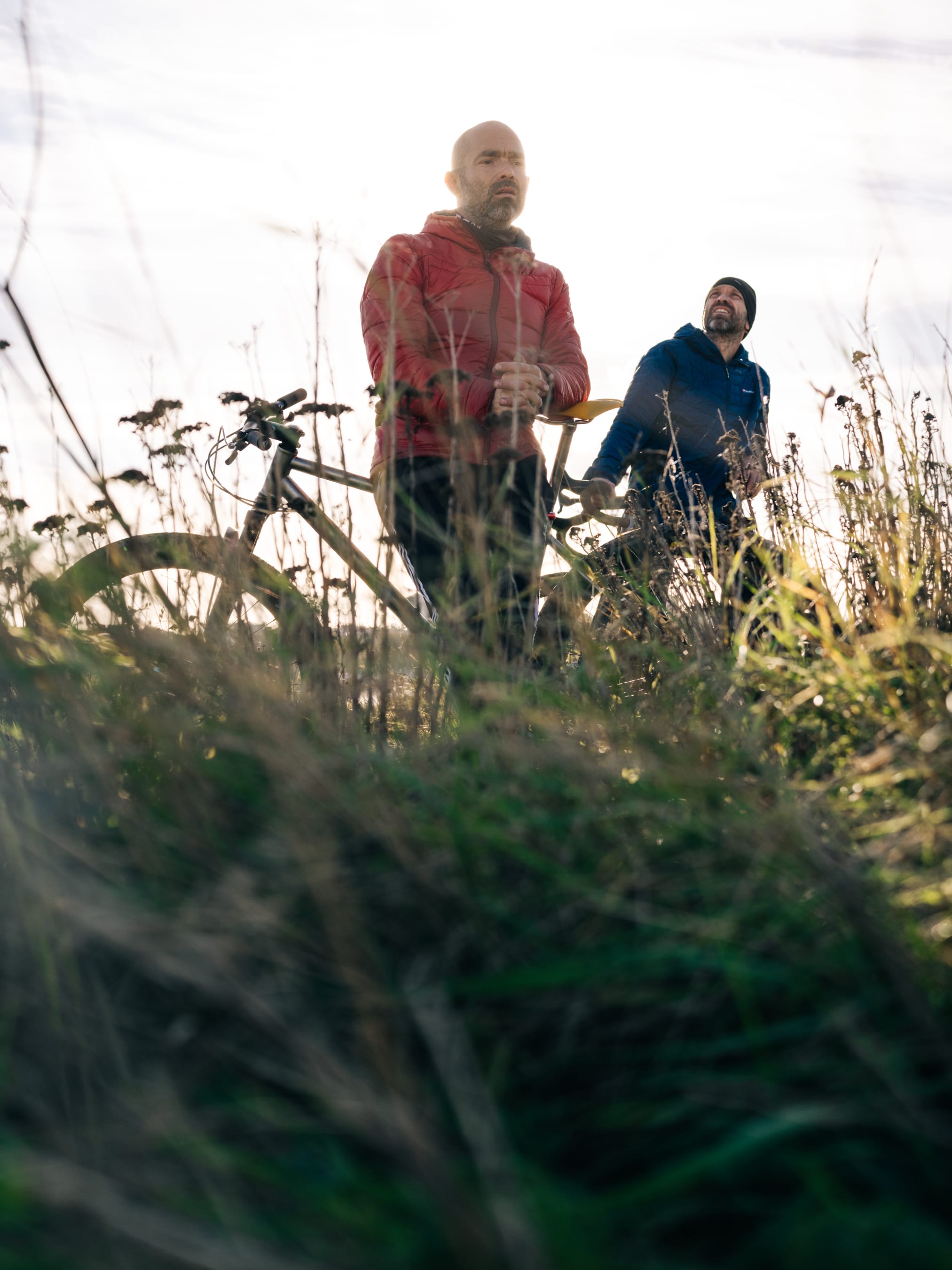
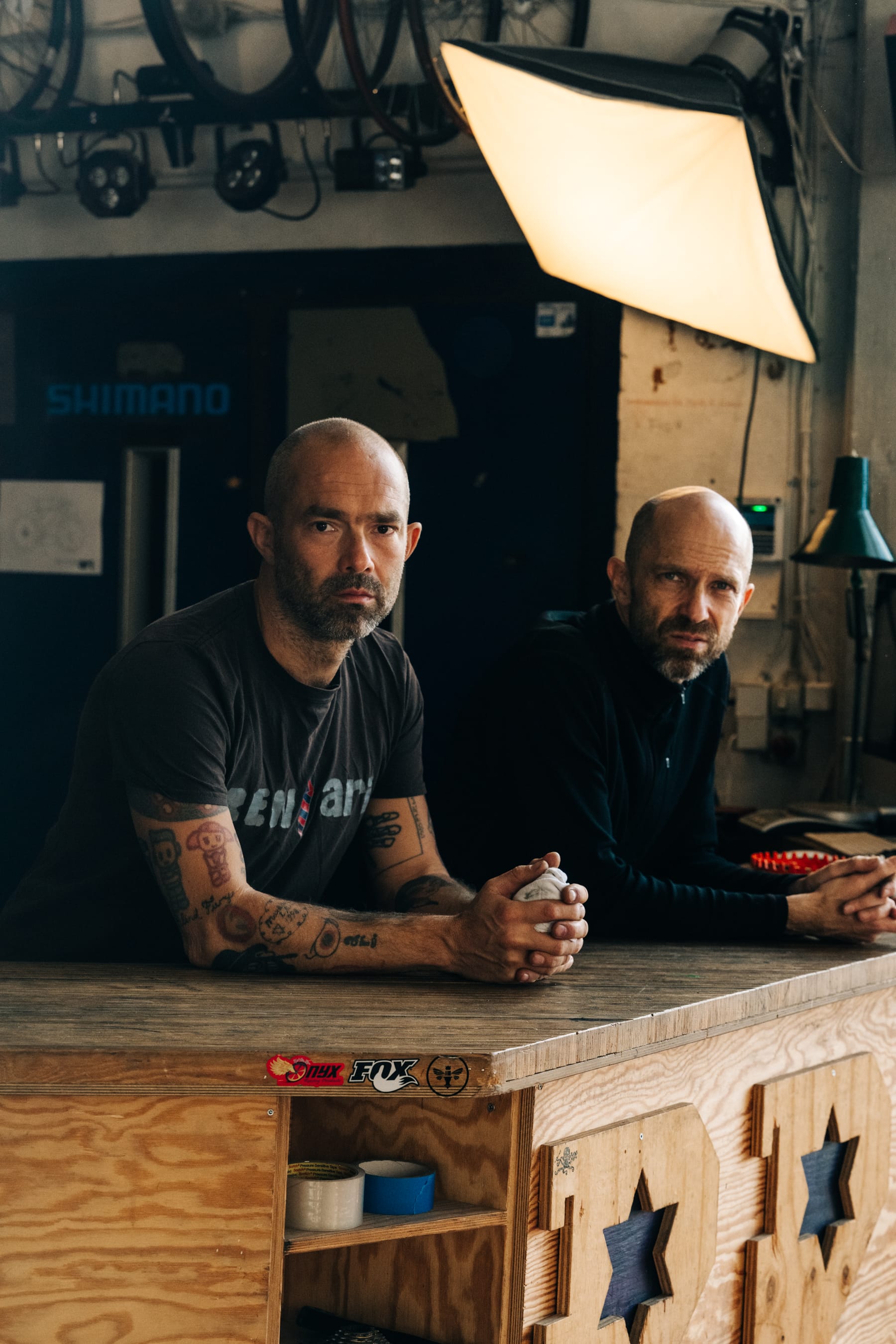
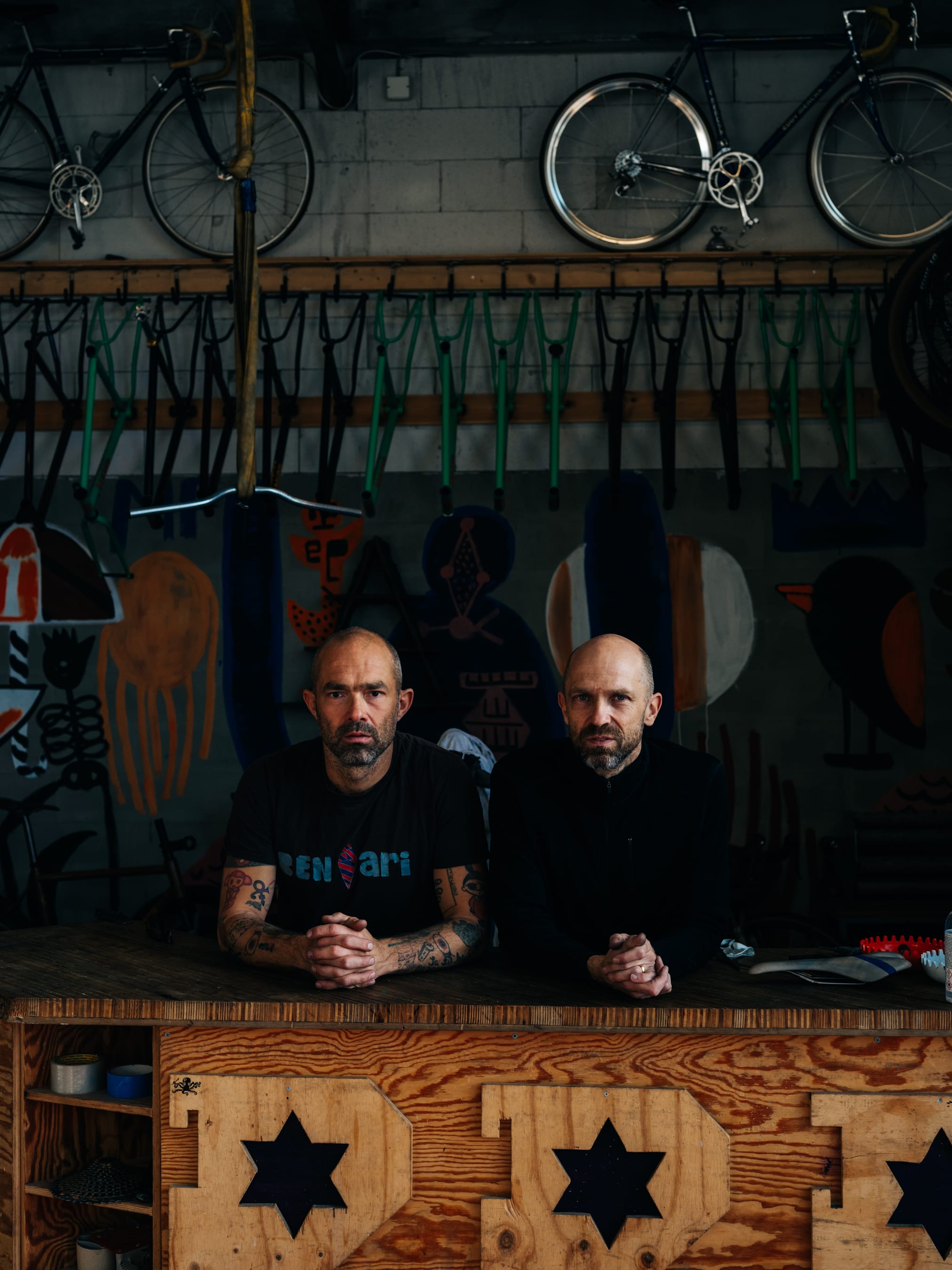
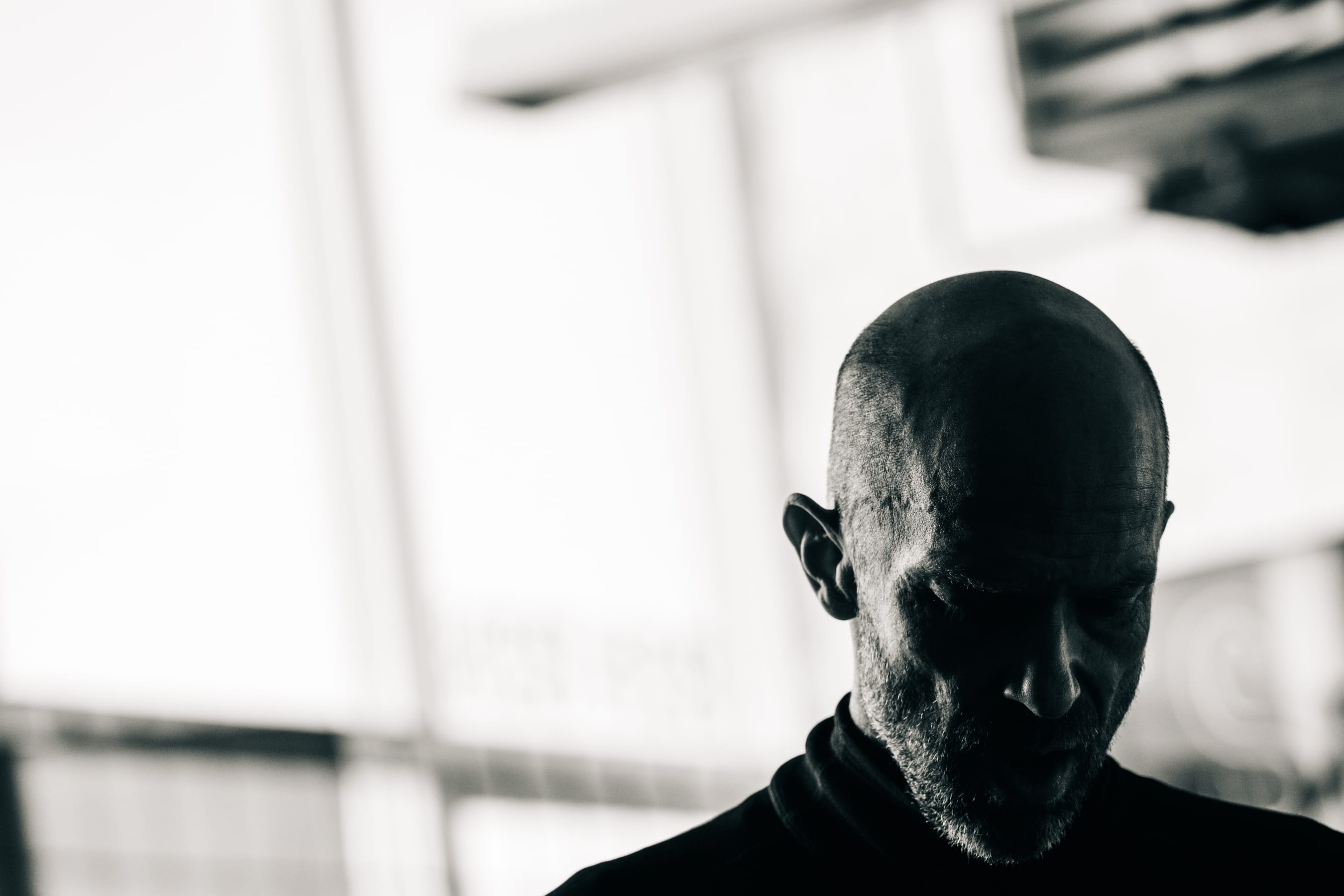
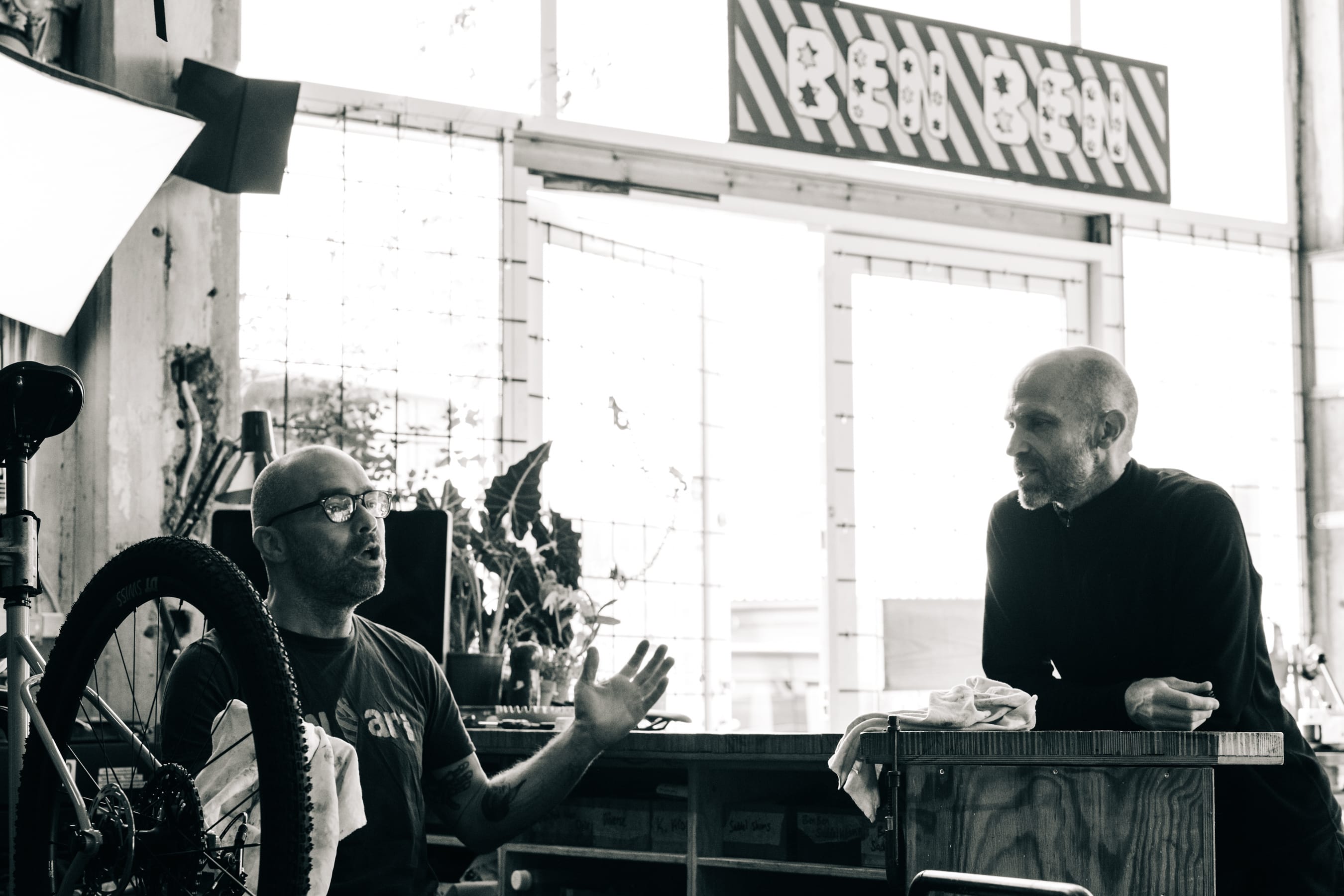
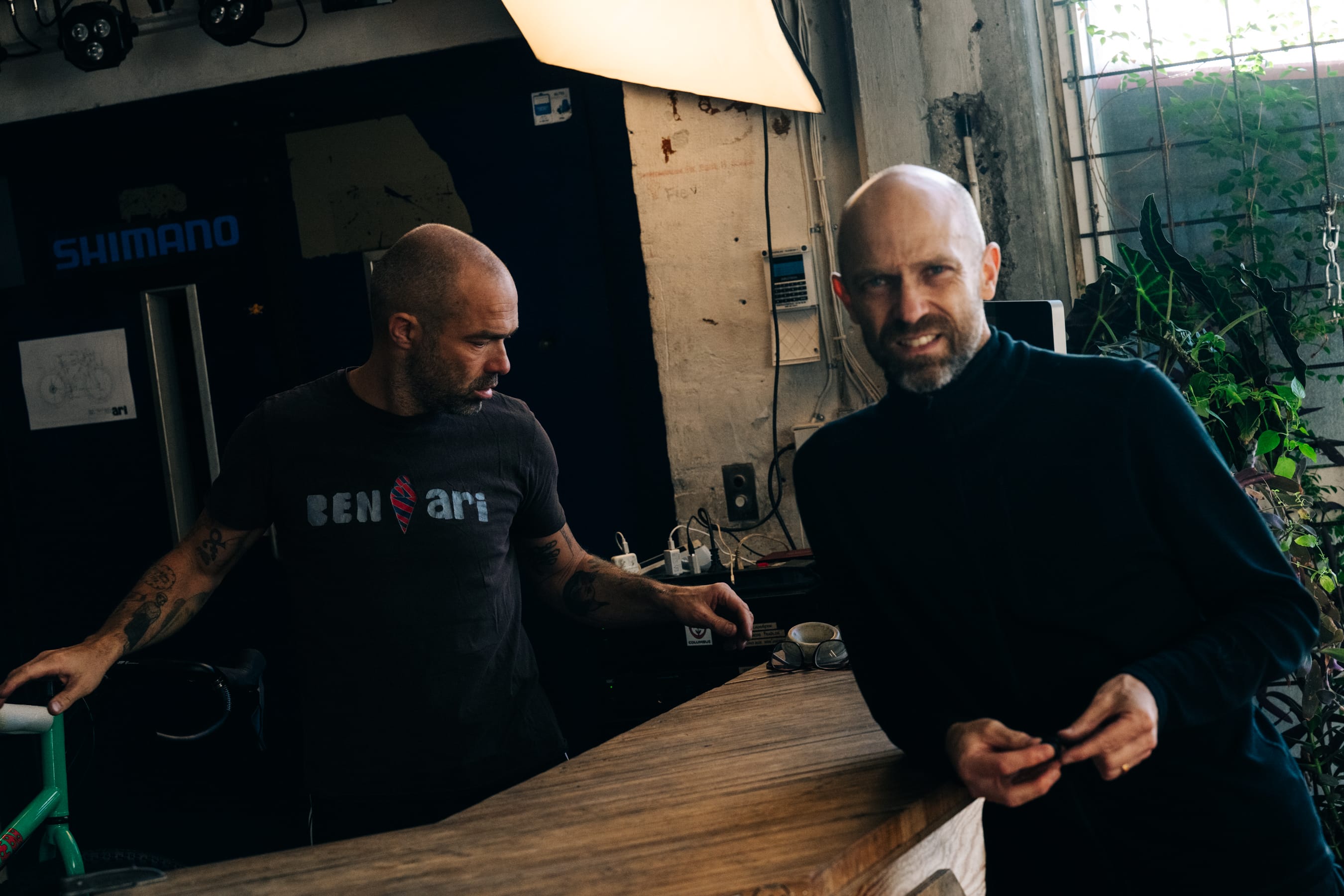
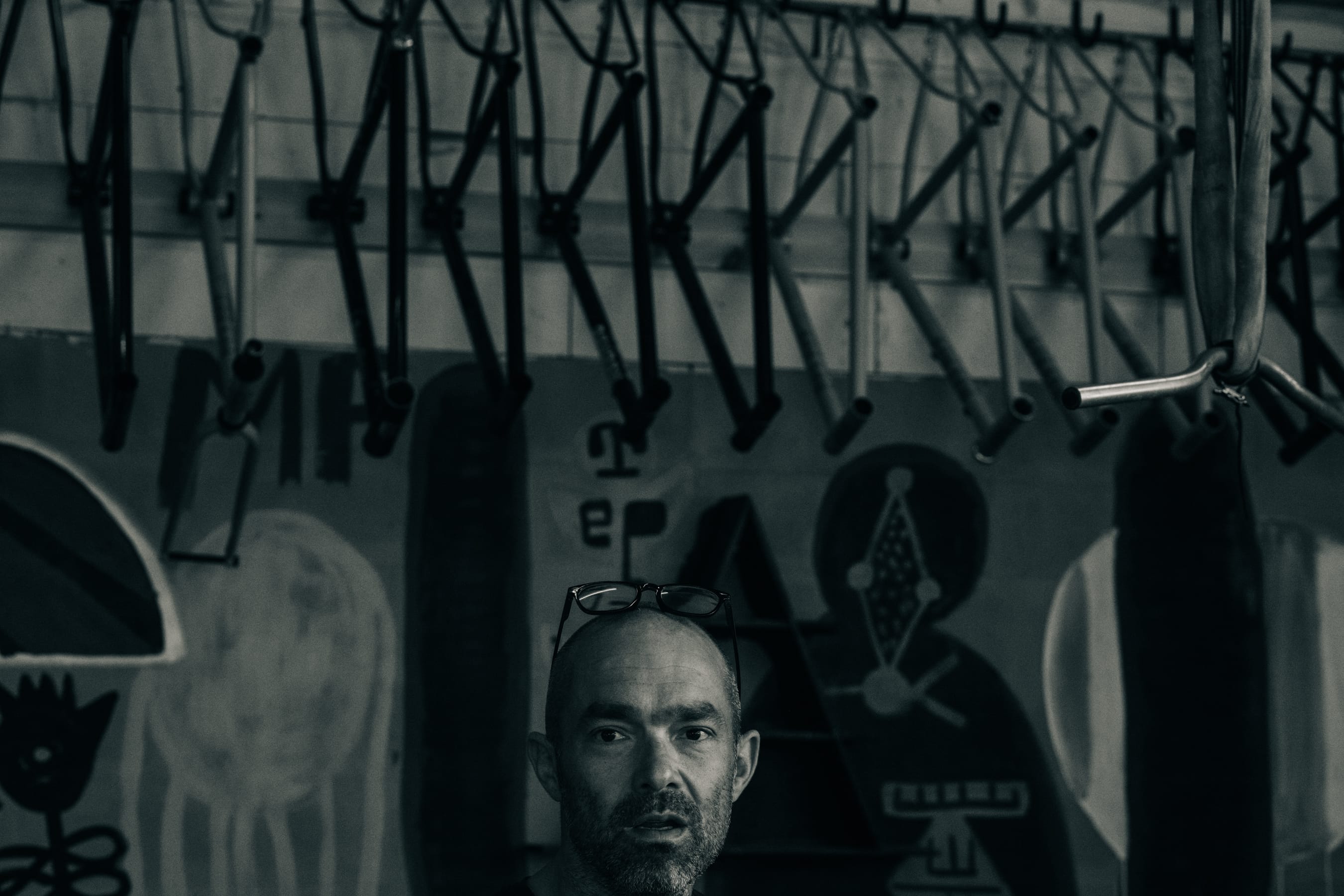
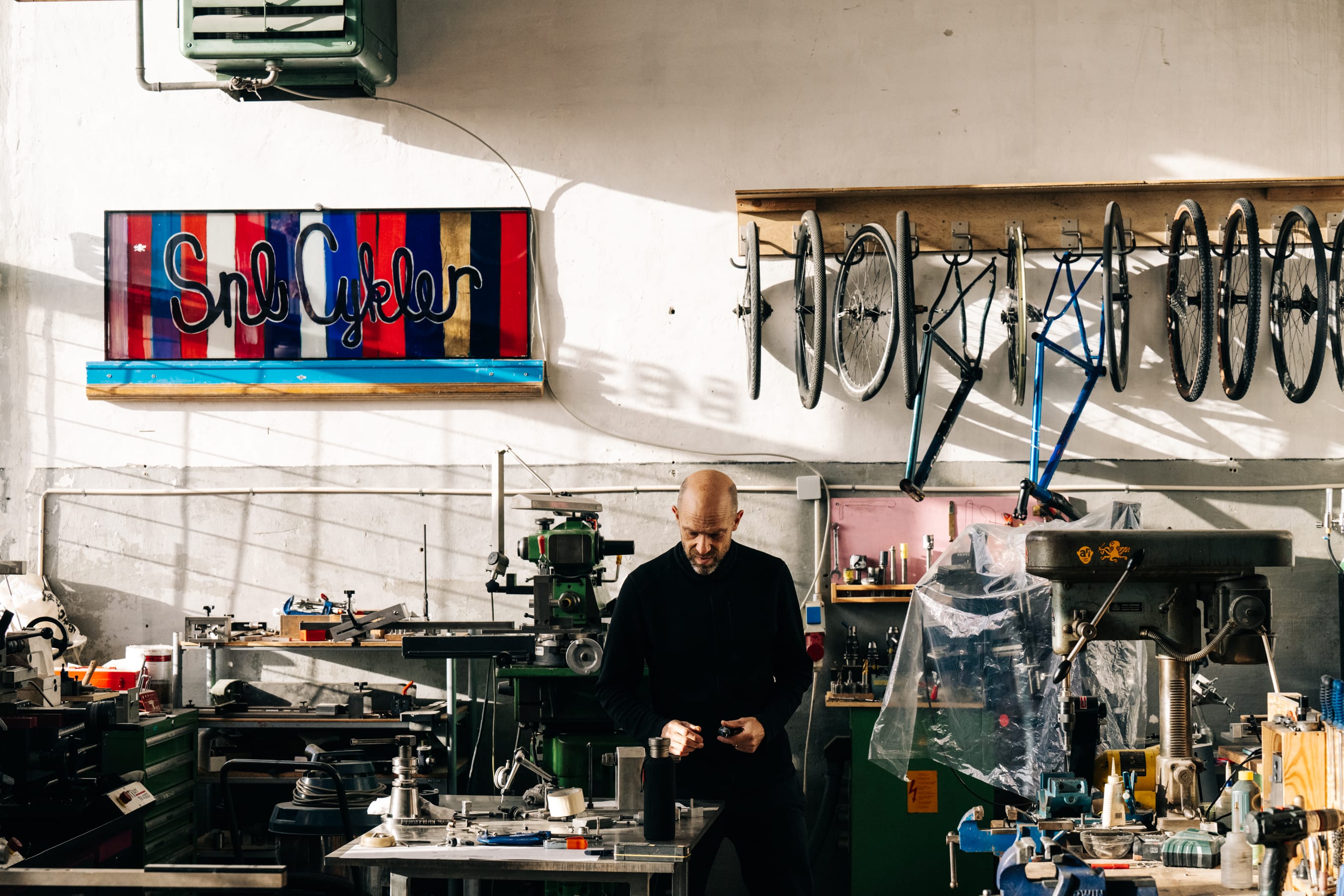
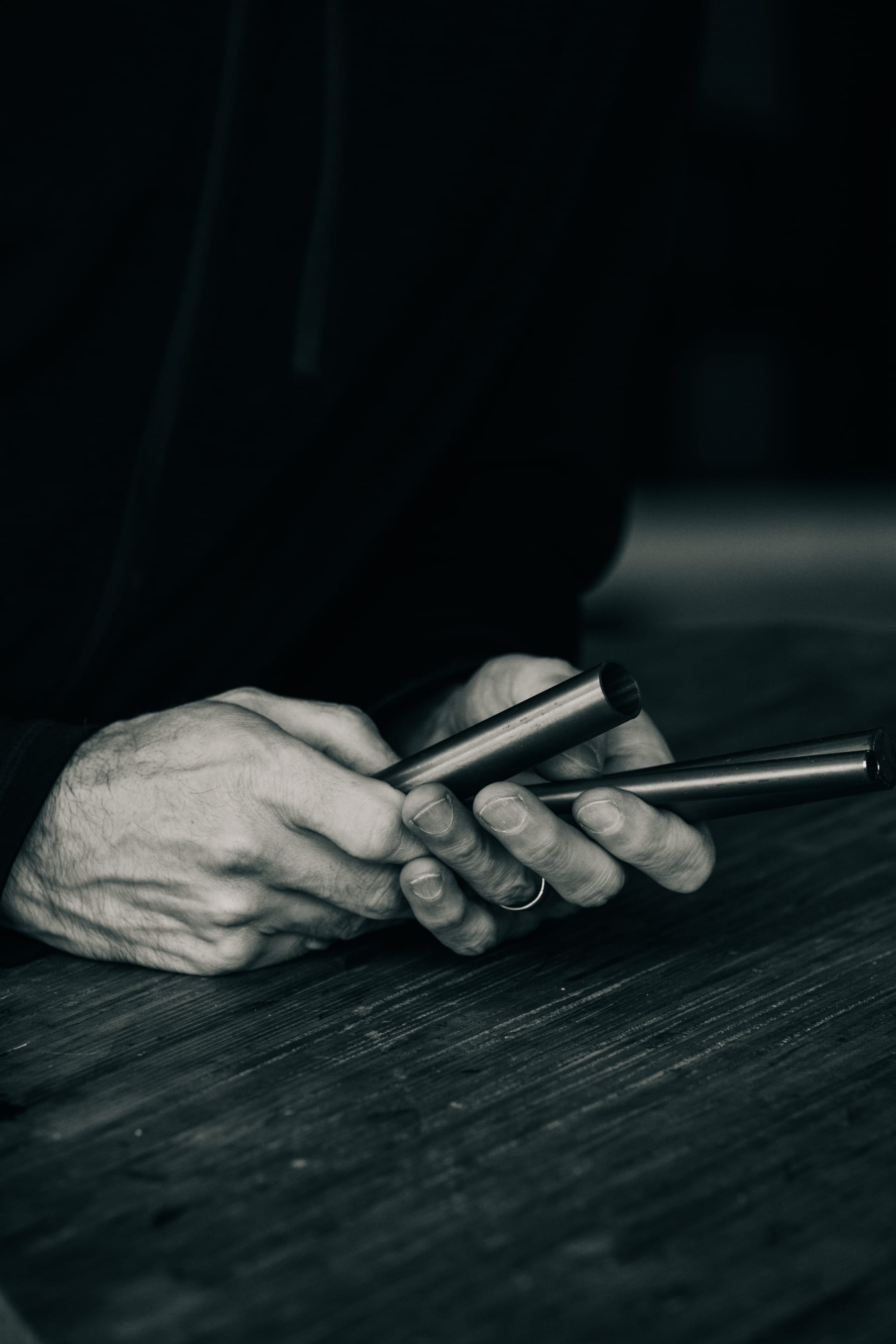
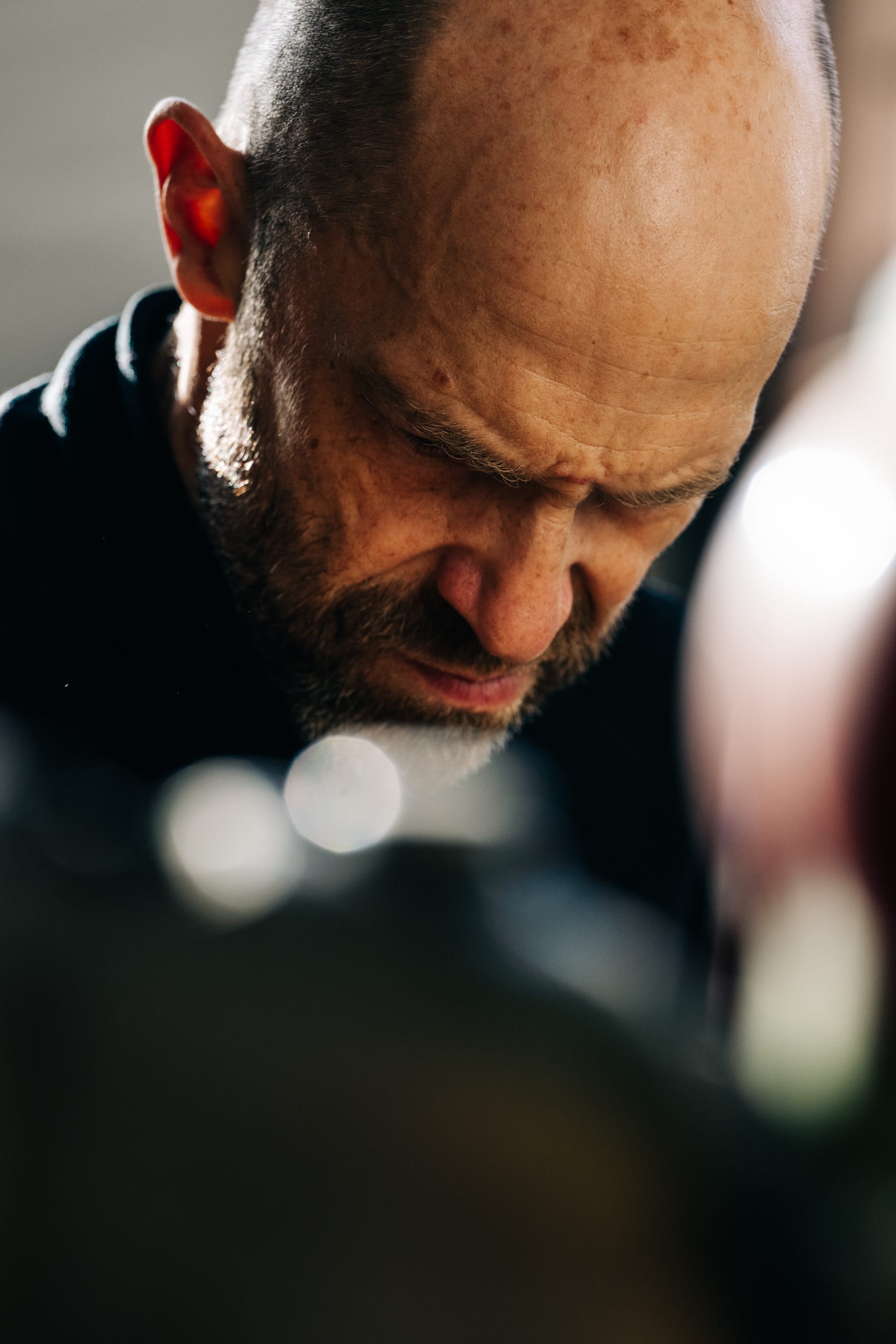
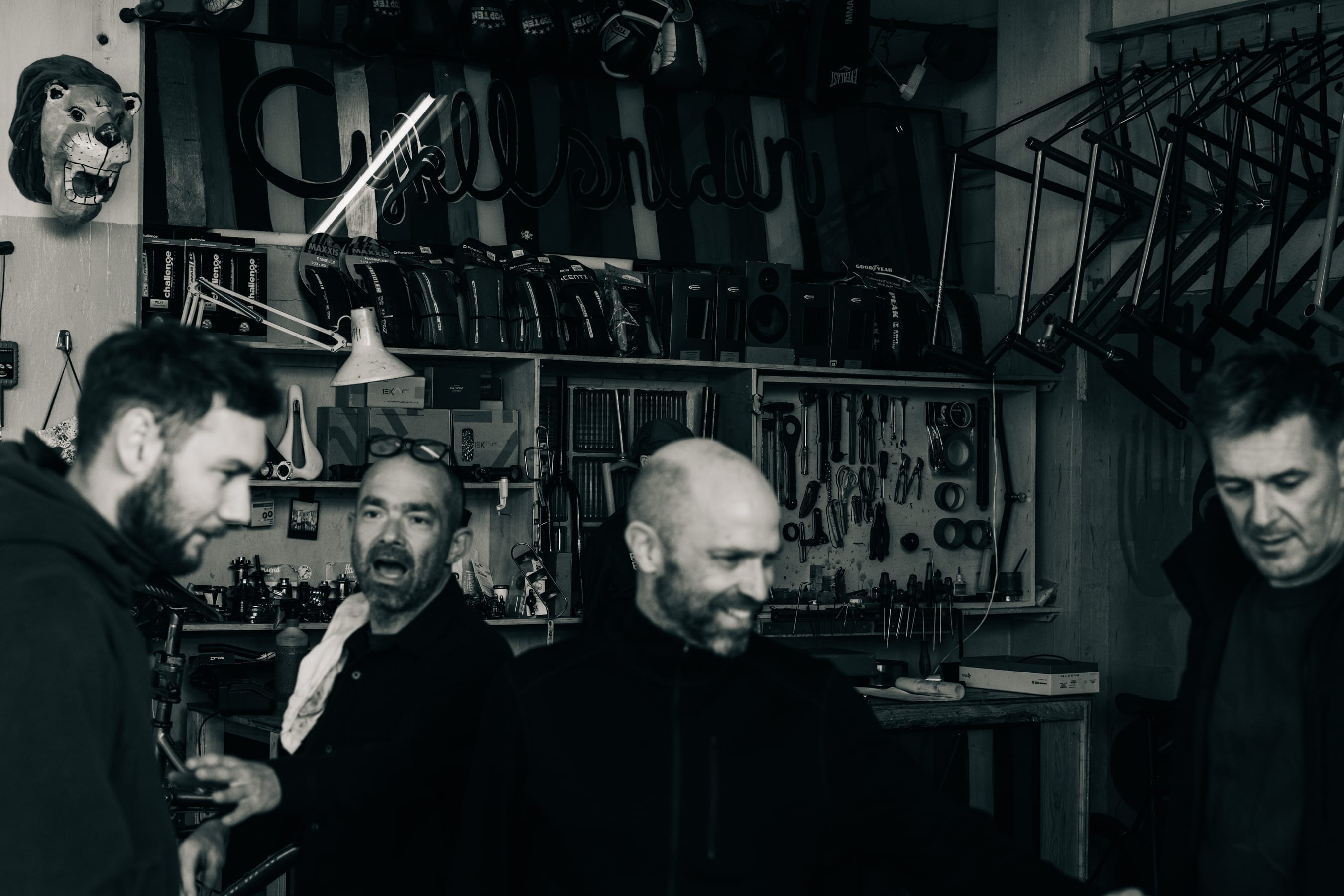
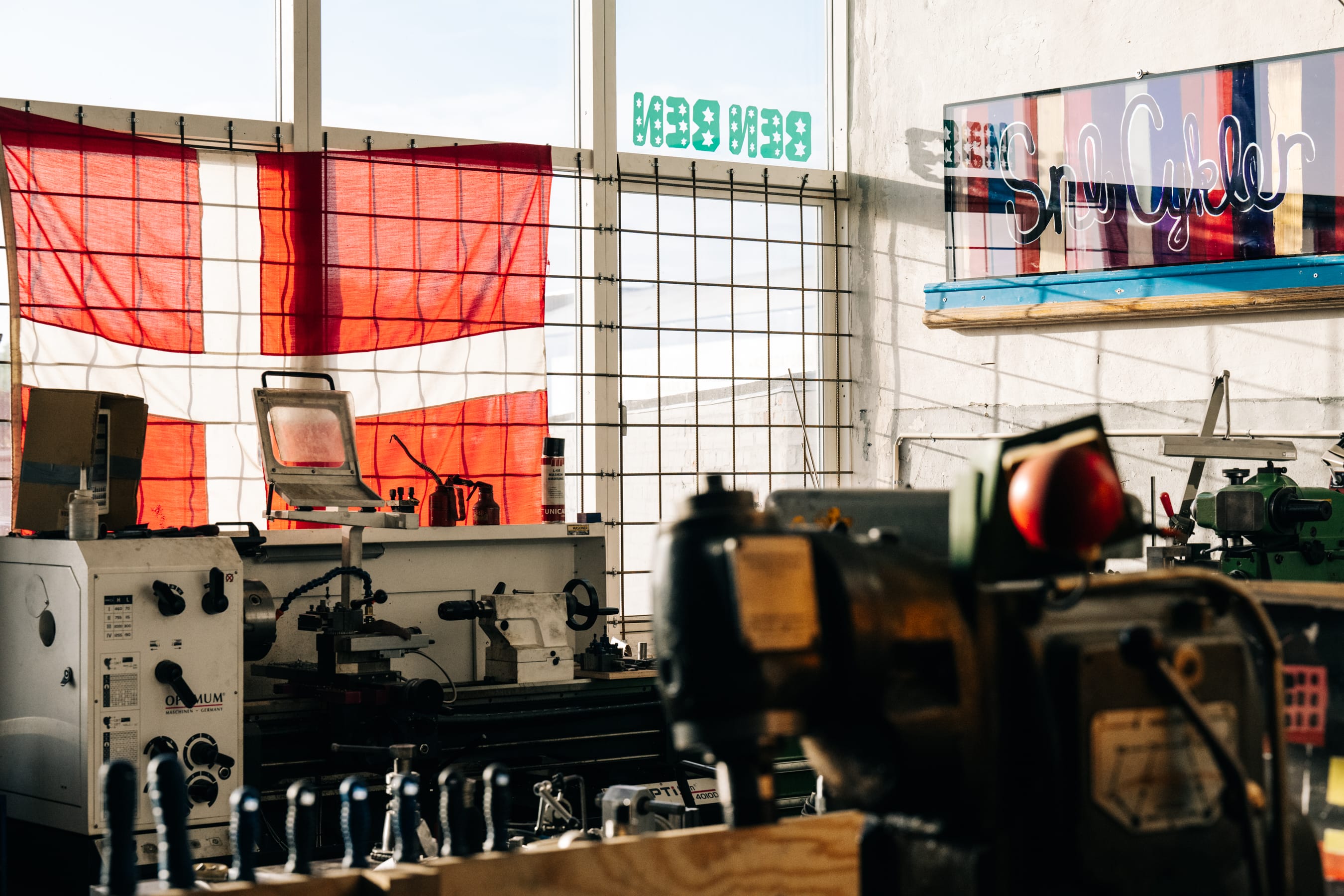
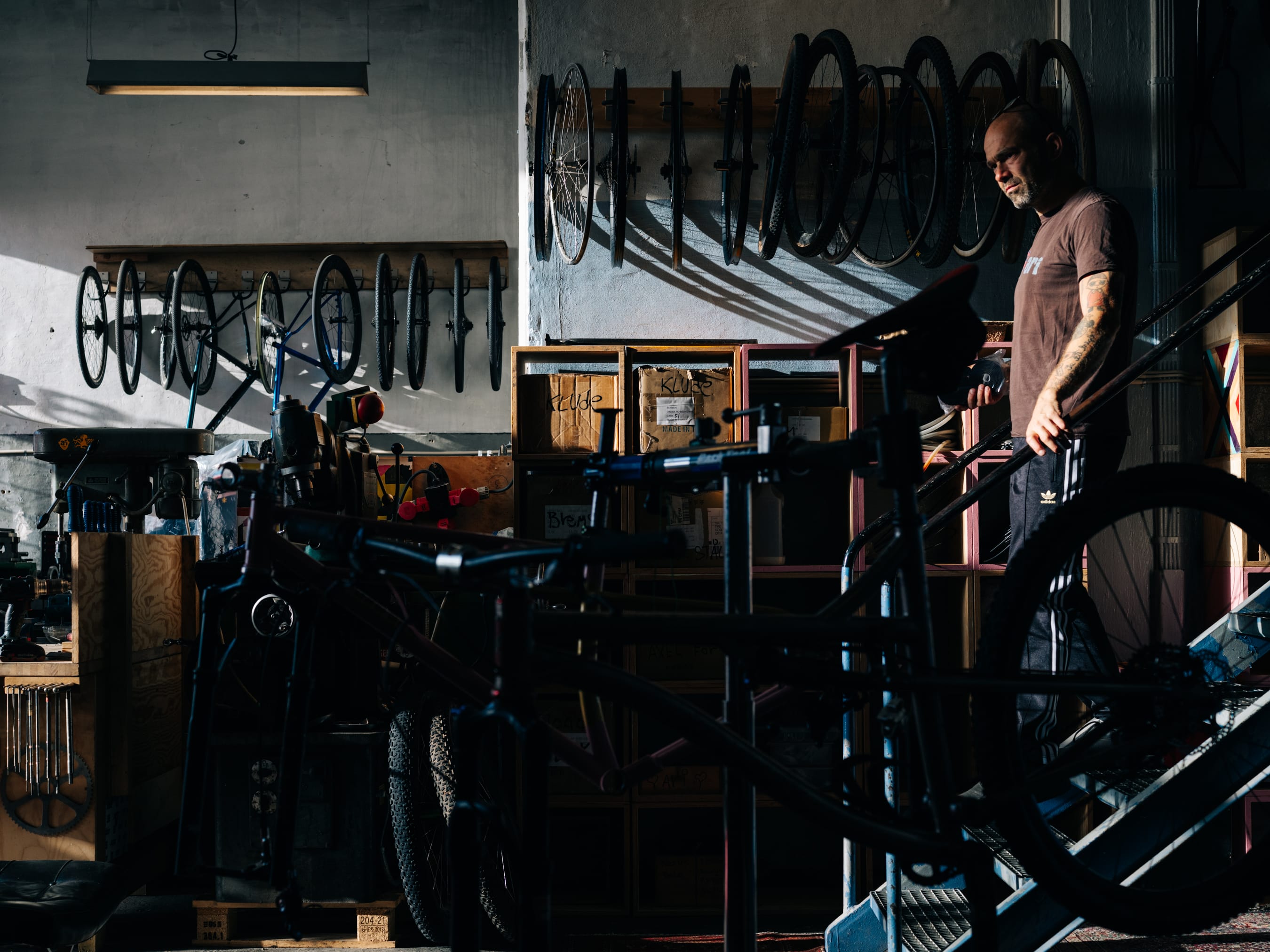
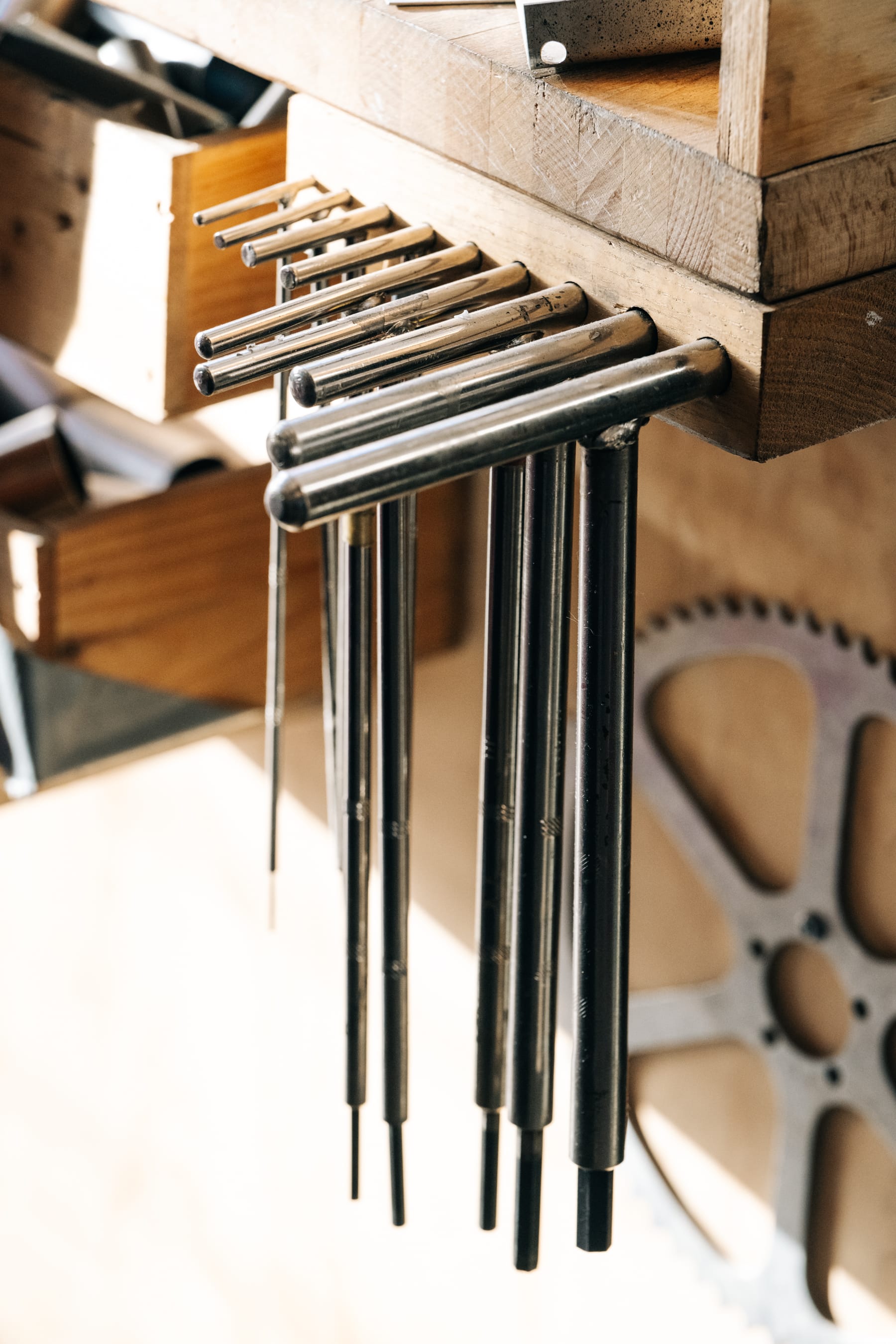
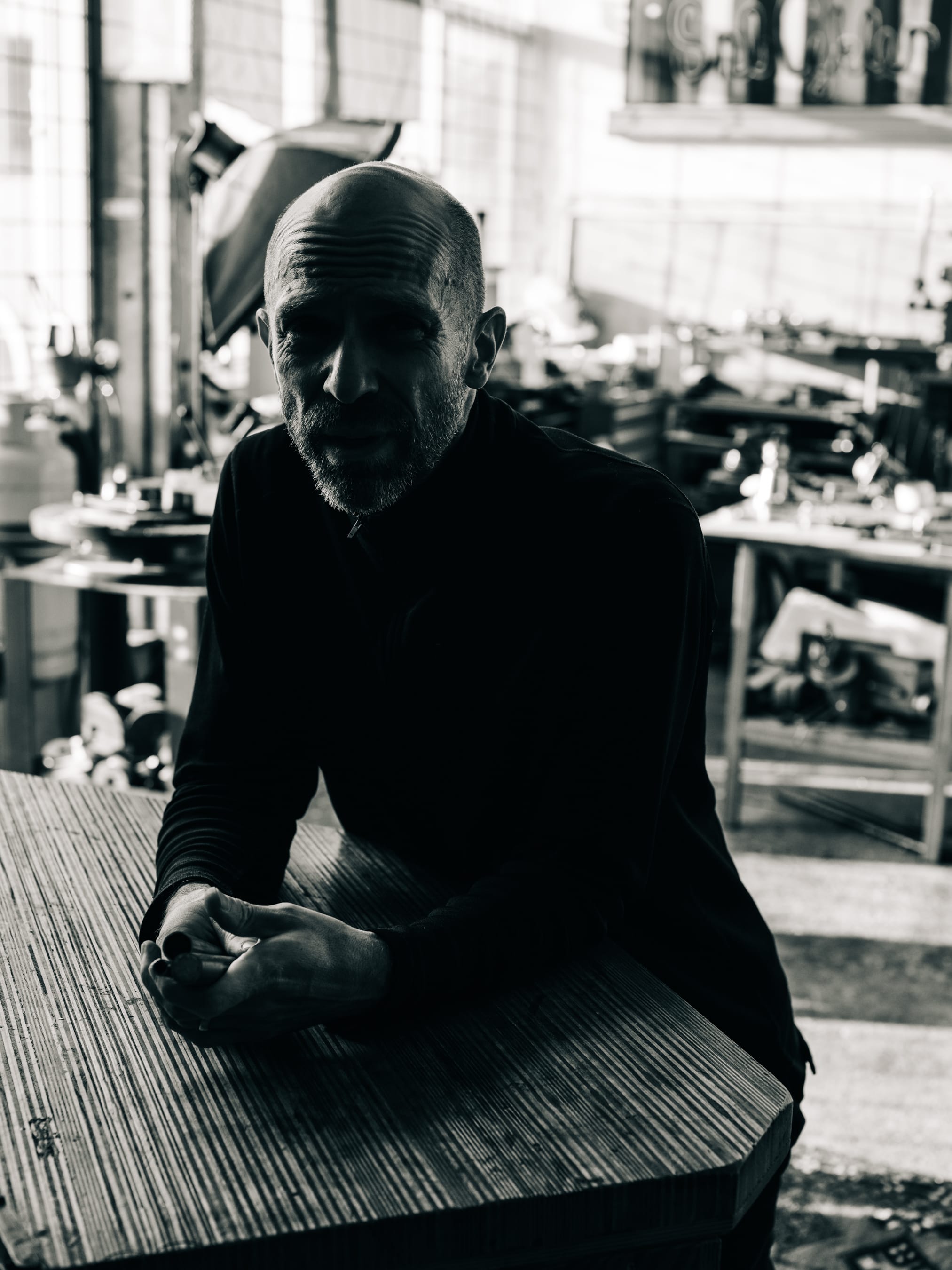
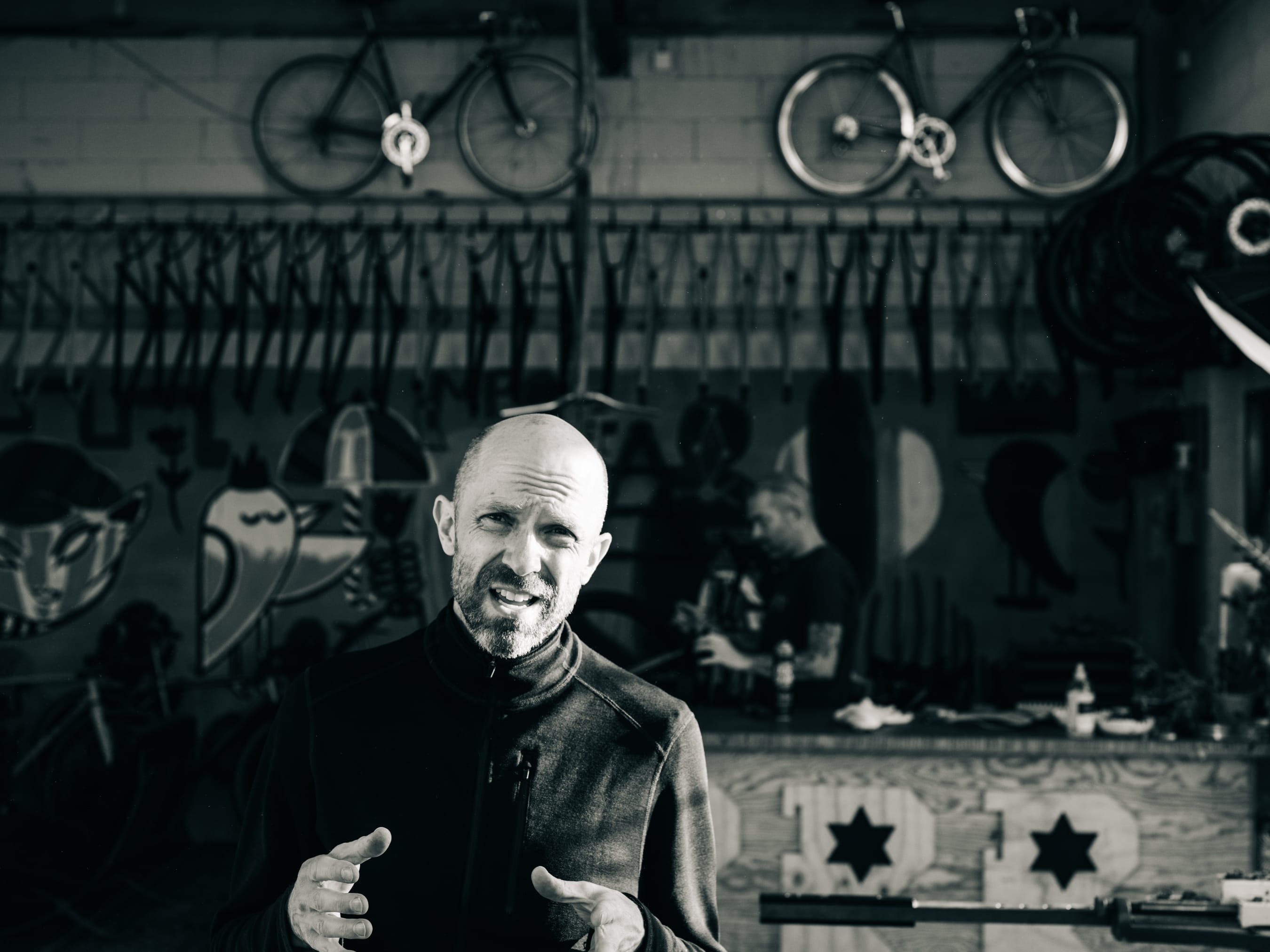
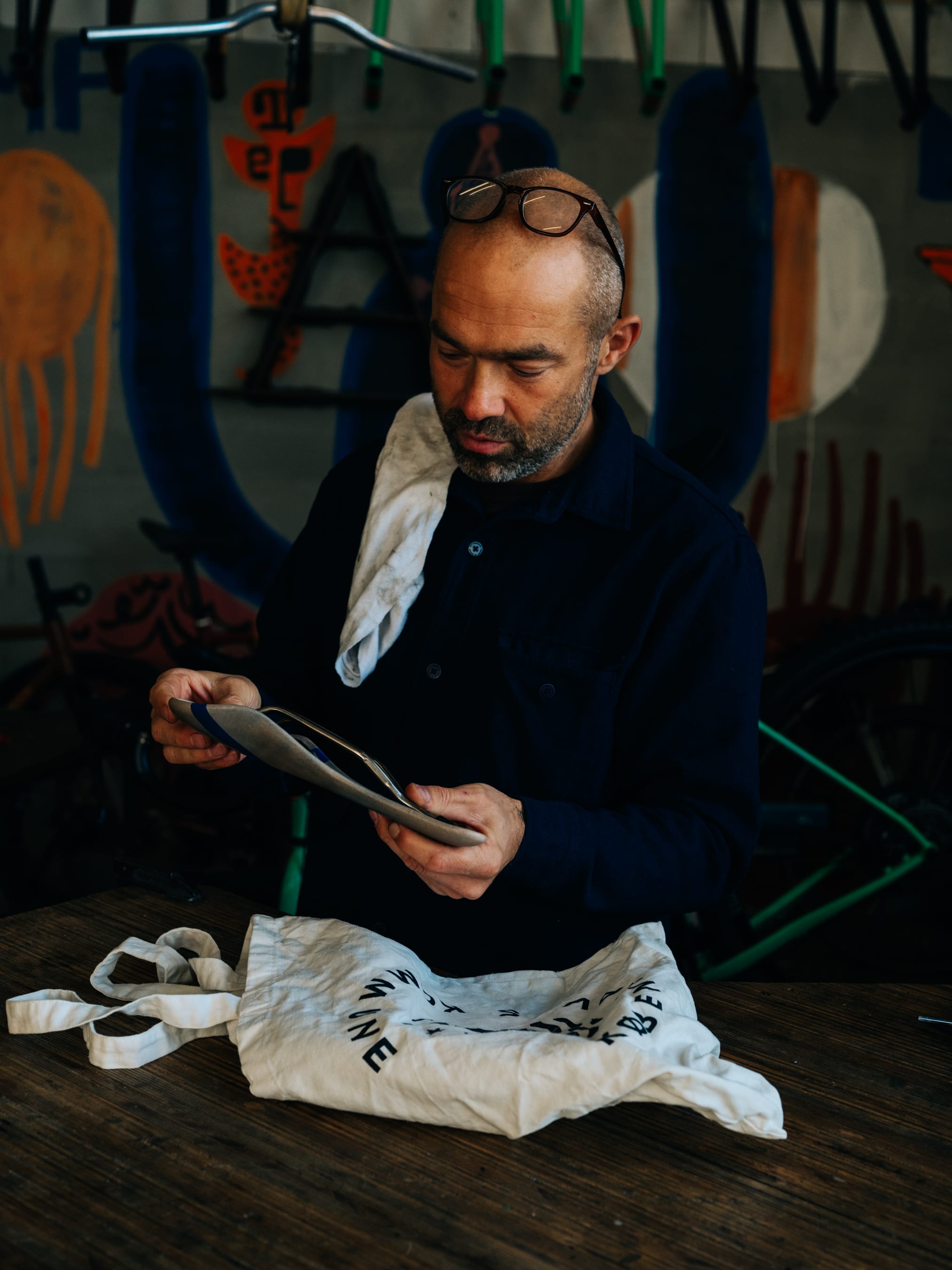
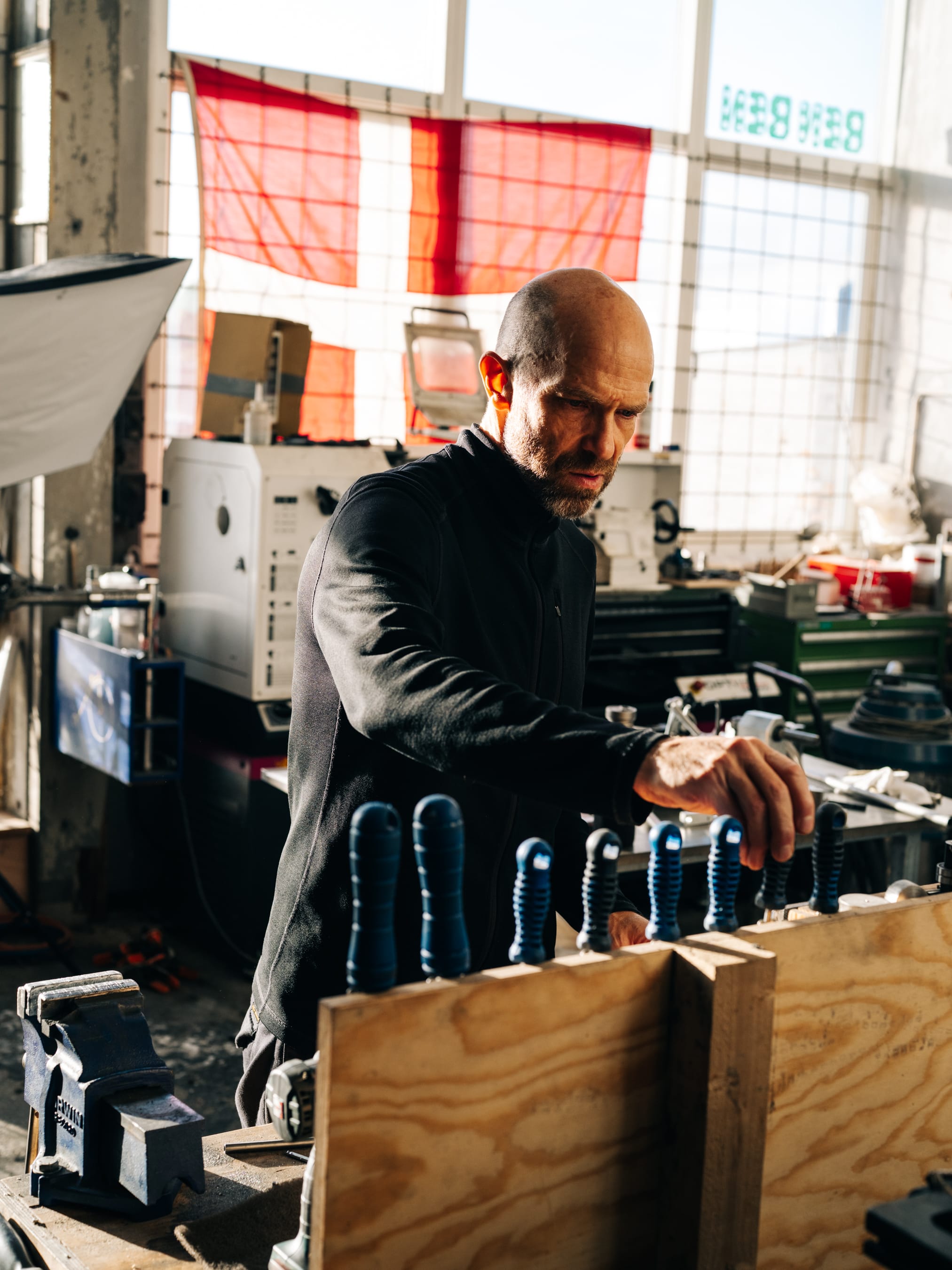
Sometime in late 2021 I received a DM request from an account with a photo of a bicycle as the avatar. I singled this message out from the rest of the spam and clicked it. It was a message from Ari Rosenzweig inviting me to come to the workshop he shares with his brother Ben. It was not until February of 2023 that I took him up on his invitation.
I like bicycles. I’ve pretty much always liked bicycles. My first bicycle was a Huffy my mom and dad bought me at Toys “R” Us. It was white with white tires, and in hindsight I think it was meant to be a “girl’s bike”. My first scar from a bicycle came from “riding” around the field of my Elementary School with my dad chasing me around trying to keep me from grinding my teeth into the soil. I somehow went over the handlebars, caught my knee on a screw on the brake lever, bled like mad, and blamed my dad for the entire thing.
When I was 15, I got a “job” at Northwest Mountain Bike about 1 mile from the house I grew up in. This is where I met Karl whom you may remember from my first Context post. I worked at this shop for no money at all. I helped out changing lightbulbs, cleaning, organizing, etc. Just to be paid with store credit so I could buy cool aftermarket parts for my first real bike: A Cannondale F700 (with Headshok of course!). On my second real bike, a Kona Kula, I put road tires on and rode from Seattle to Portland at the age of 16, then again at 17.
When I turned 24, I bought my first road bike. A Specialized Allez Comp. I trained daily with my friend and coworker Hugh. Much older than me with tens of thousands of miles in his legs, Hugh took me for a ride where I experienced hypoglycemia for my first, and most humbling way. After my first “bonk” I was unstoppable. I rode Seattle to Portland again at 25, 26, 27, and this summer I rode it solo from Portland to my childhood home.
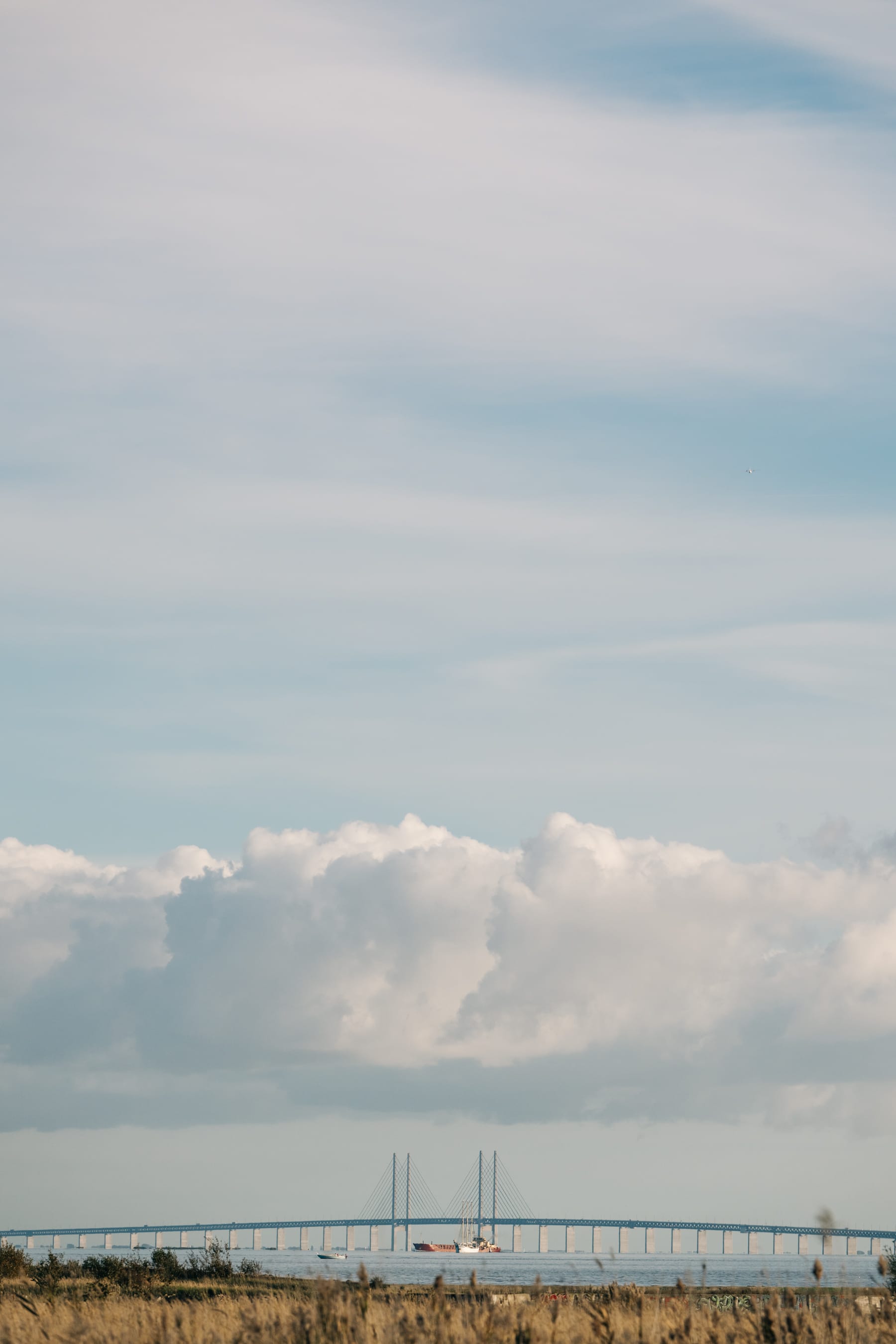
Bicycles are the second biggest reason why I moved to Denmark (the first being Danish females, of course). Now I’m stood in a large industrial space in a large industrial building in the large industrial + residential neighborhood of Amager in the southern part of Copenhagen.
I am stood on the multiple ornate rugs strewn across the concrete workshop floor for one reason only: The Holy Scripture tells us cyclists:
“The correct number of bikes to own is n+1. While the minimum number of bikes one should own is three, the correct number is n+1, where n is the number of bikes currently owned.”
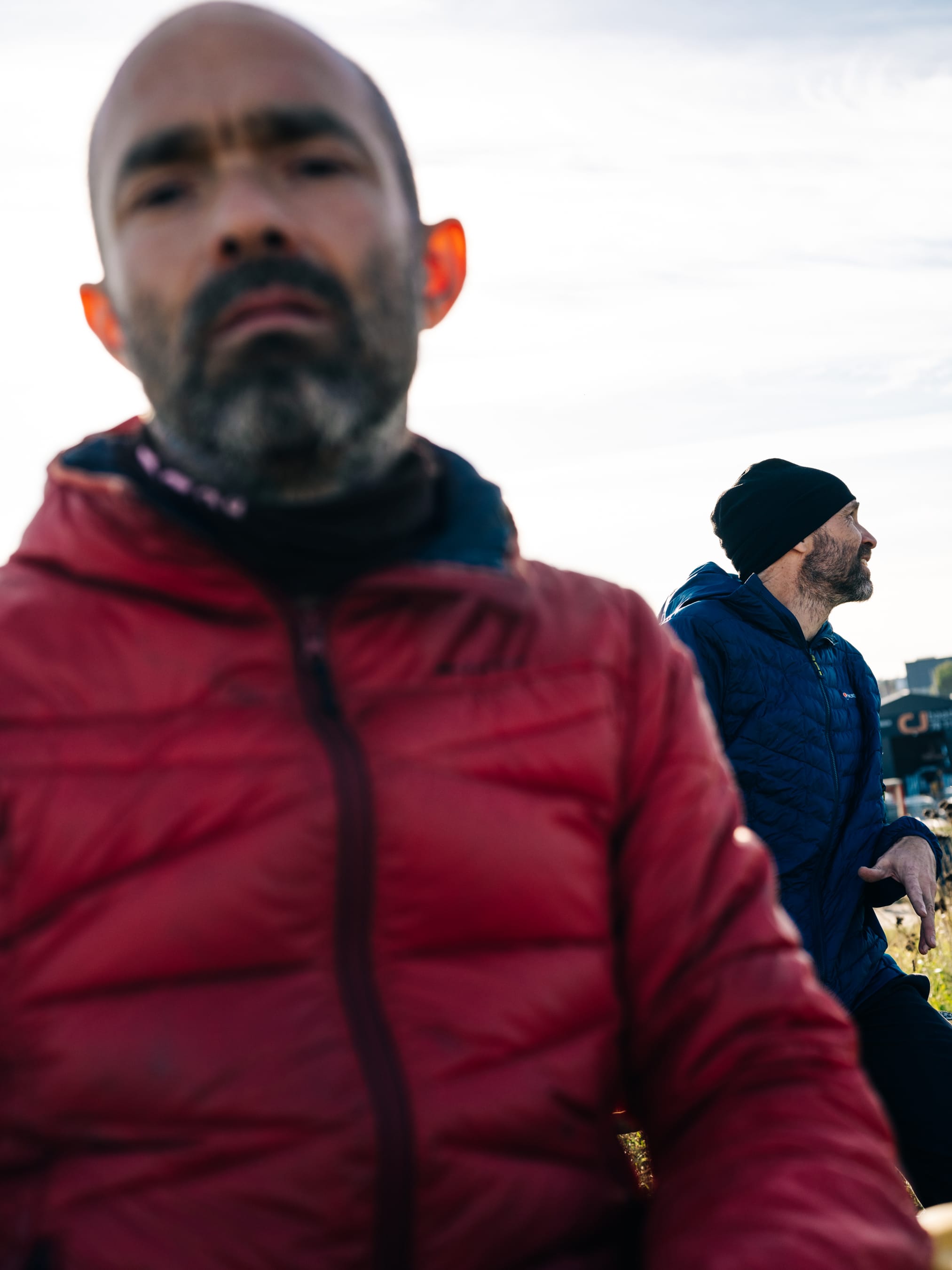
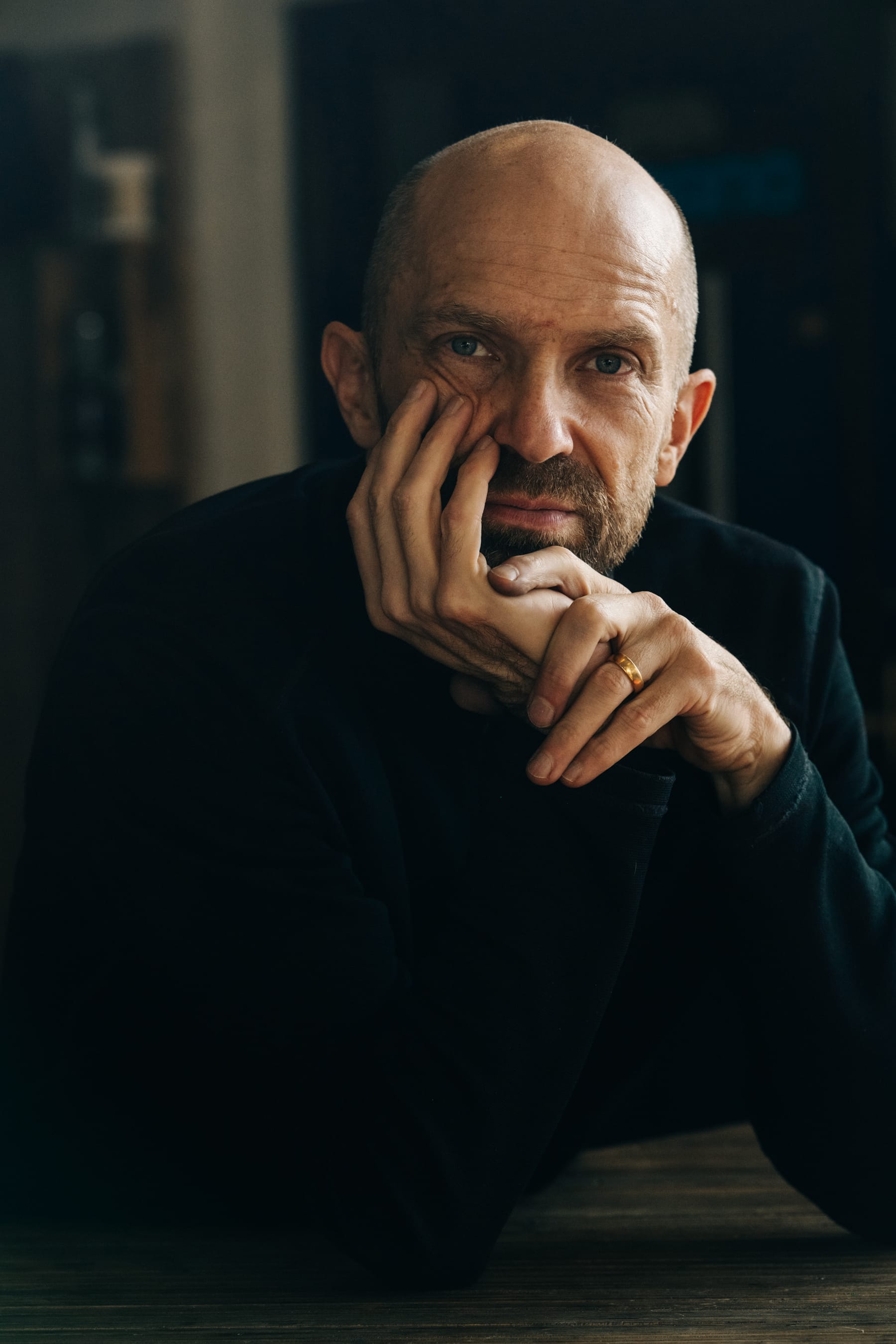
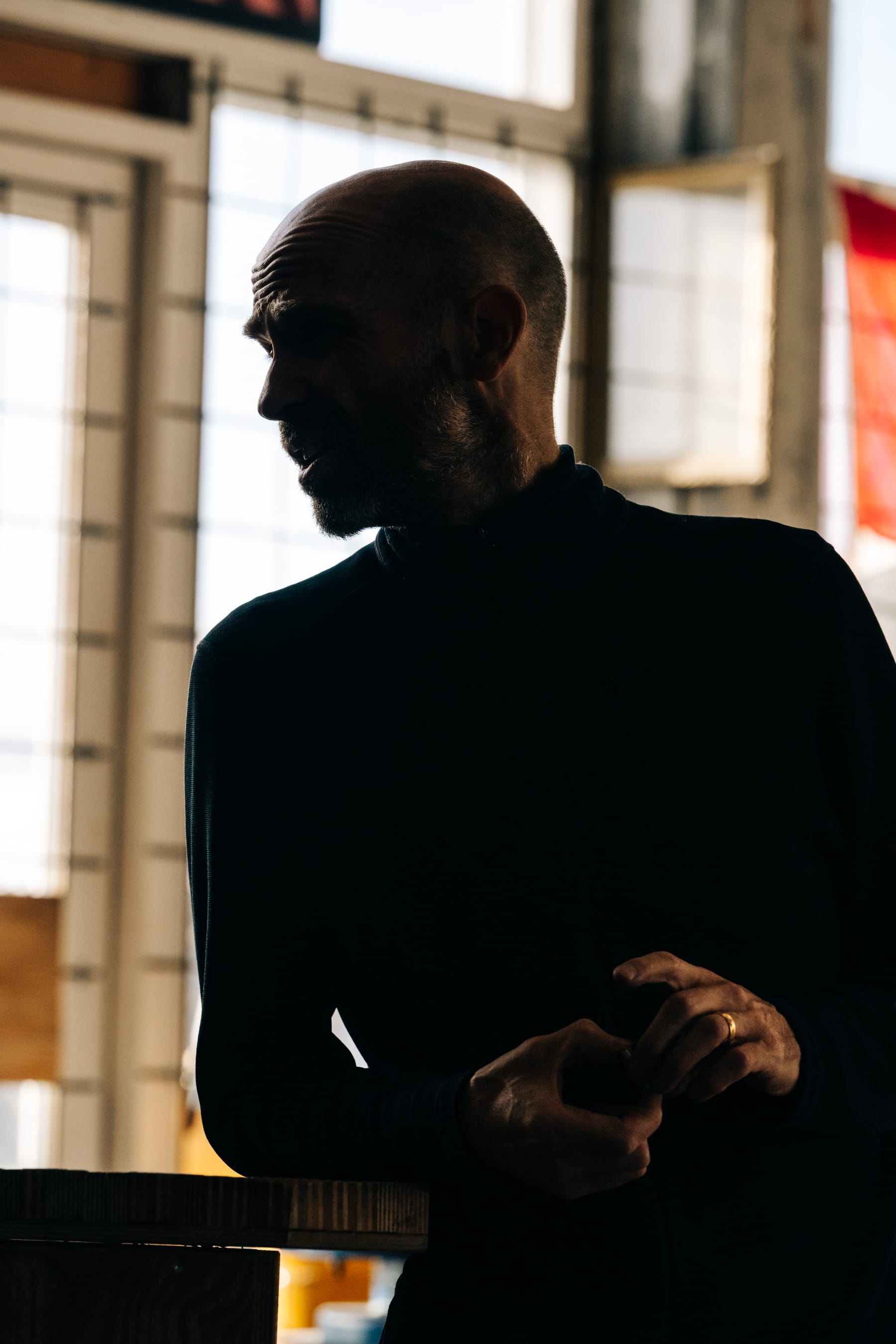
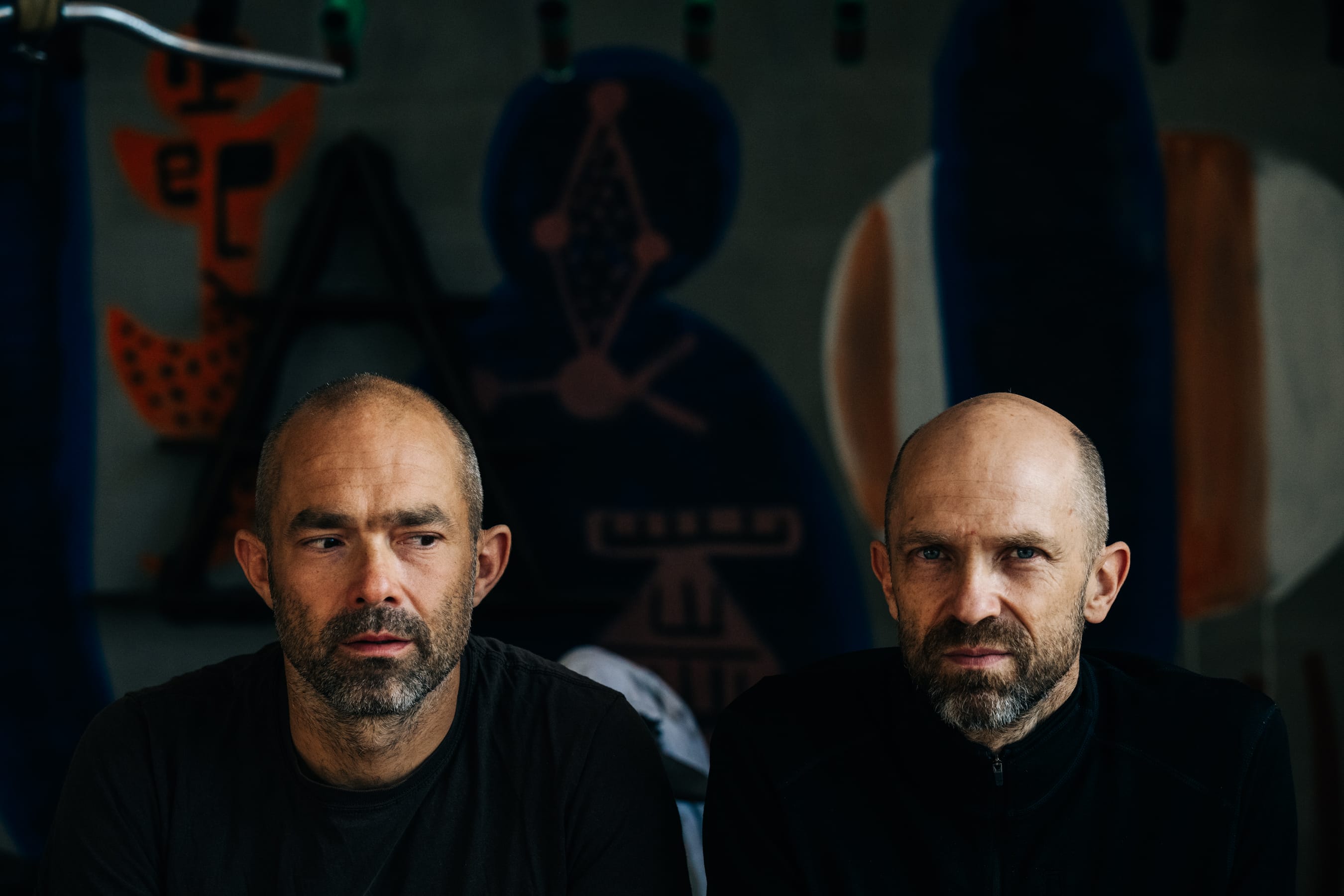
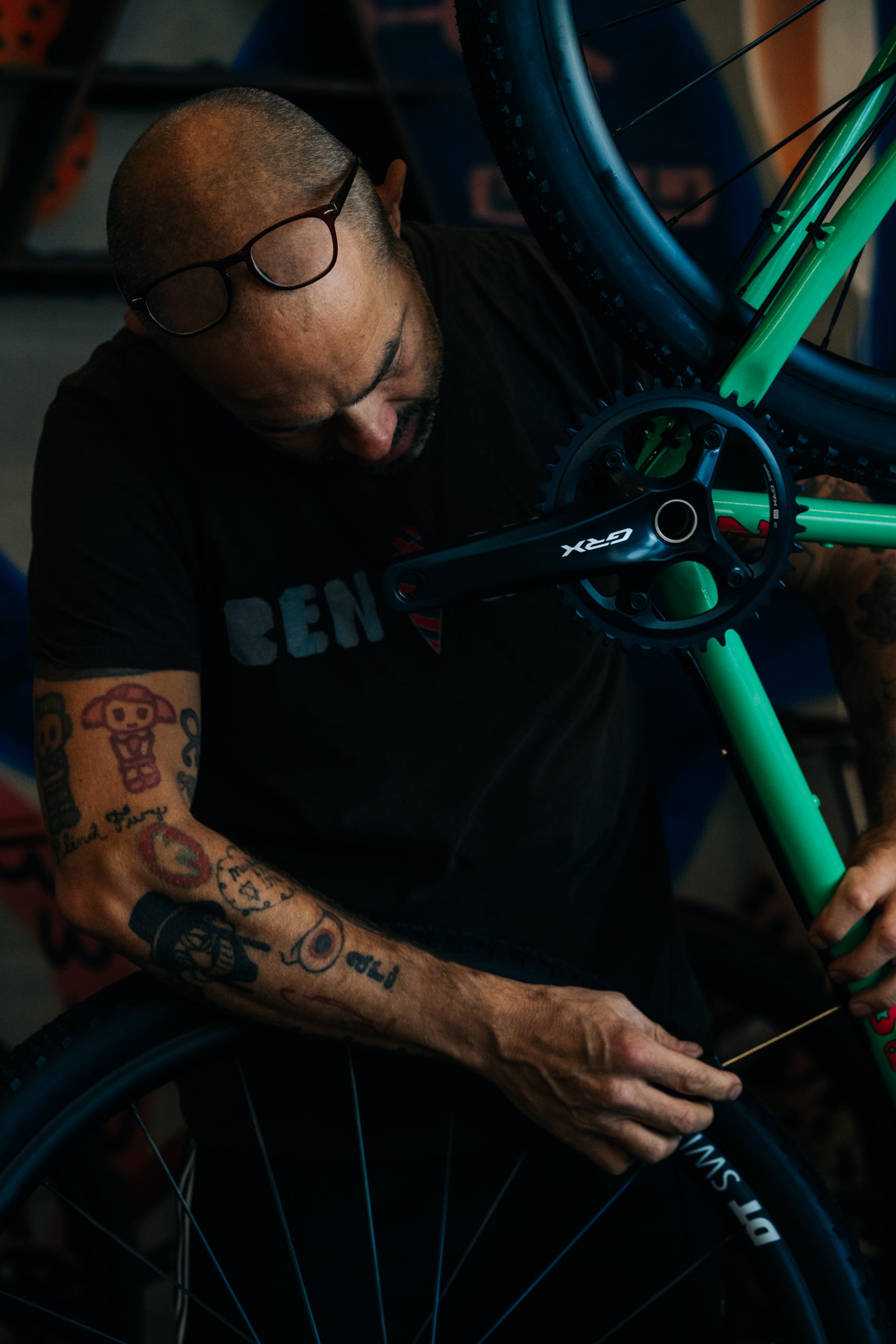
Ari + Ben are making me a bicycle. My +1 to the party/parking lot in in my living room. Well, technically because my frame will be titanium, Ari will build it. Ari works with Ti, Ben with steel. This process has been in discussion for a few months and as the ball started to get rolling, a war breaks out in the Middle East. Ari + Ben (and myself) are Jewish, and I write to them shortly after the 7th of October and ask if I can photograph them as we talk about what is transpiring. With war comes polarization, so my idea was to showcase people in Copenhagen from both Jewish and Muslim faiths and cultures to show the humanity of both sides instead of stereotypes and governments.
Ben and Ari’s shop feels like a home. We sit and speculate as to what in the hell will happen while I photograph. Ari lived in Israel for 20 years, while Ben only for 1, yet both are Danish, only holding Danish passports. We discuss fear, anger, their dislike for “Bibi”, their Palestinian friends in Denmark, and of course the cable-routing for my new bike frame.
I think that the most interesting thing I’ve found since starting my Context series is seeing how welcoming and accommodating people have been. Welcoming me into their homes, offices, and places of personal importance. In a time where conflict is unfolding in seemingly all corners of the world two brothers have welcomed me into their lives in order to have a conversation.
All three of us are Jewish, all three of us have had completely different lives, yet all three of us can converse openly, hear each other’s stories and opinions, and solidify the fact that although we are similar in some ways, in no way can we fit into a stereotype which precedes us. Antisemitism, Islamophobia, Racism, Sexism, Trans/Homophobia, etc.: none of these terms see the individual, they only see the stereotype. The stereotype is what kills. The stereotype fuels hate. Each individual has the opportunity to disprove change the perception. The human aspect is why I started Context, and now more than ever, the human aspect can be a catalyst for seachange.
After each time leaving the brothers, I wrote to Ben to say thanks. He would reply with the Danish colloquial reply of “Altid” which translates to “always.” In unsure times, this brief reply feels optimistic, and to me, the epitome of a pessimist, gives me a bit of hope.